In the World of Work, Balancing Team Dynamics
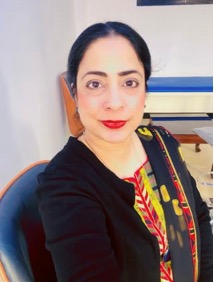
By Dr Hina Jawaid,
Chair, WONCA Working Party on Women and Family Medicine (WWPWFM)
WONCA's Working Party on Women and Family Medicine (WWPWFM) was established in 2001. Since its inception, this working party has advocated for the rights of women family physicians. From individual women's self-advocacy to system and institutional workplace equity, the WWPWFM has shifted the paradigm and reshaped policies. Its core contributions include promoting women's health and wellness, developing leadership skills and supporting junior colleagues.
Being a global lead of the working party involves building professional relationships, strong networking and consistent follow-up. Acquiring a global leadership role requires an understanding of intercultural competency. Awareness of organisational and team dynamics also helps you deliver by aligning your goals. Having served as the working party's regional lead for South Asia, its WHO liaison and WONCA's organisational equity member representing South Asia, stepping into the role of global chair was a major transition. Almost a year ago, when I took charge as the global chair, I had two broad objectives:
- Increase membership of the working party in all regions, with particular focus on the Eastern European, Asia Pacific and Eastern Mediterranean regions.
- Maintain collaborations between regional women working parties (WPs) and other working parties and special interest groups (SIGs).
With currently over 1400 members globally and increasing, the WWPWFM has accomplished the following:
- Developed a regional team in the Asia Pacific region (APR), which now has 141 members. They have presented and participated in the March 2026 conference in the Philippines, have successfully conducted educational webinars and published regional updates in WONCA News. They are also planning multiple conferences in 2027.
- The Eastern Mediterranean Region (EMR) has also begun to expand its network and membership by optimising its social media presence and establishing meaningful collaborations. The women's working party in the EMR plans to participate in the regional conference in Egypt in November 2026.
- I had the opportunity to participate in the WONCA Europe conference in Paris, where the working party ran a menopause awareness session and presented a poster on family medicine postgraduate training in the South Asia region. This conference provided an opportunity to connect with doctors from various European countries, including Eastern Europe.
- The WWPWFM Africa team inducted 164 new members and has reached 207 members in total. They are conducting a pre-conference session and a workshop on professional development during the 9th WONCA Africa Region Conference in Gaborone, Botswana, in September 2026. They have recently published in WONCA News, highlighting the exceptional work of Dr Temitope Ilori, who is currently serving as Director General of the National Agency for the Control of AIDS (NACA) in Nigeria.
- The Iberoamericana region is active, with 470 members and growing. Their strong social media presence gives them a wider reach. The IX Congreso Iberoamericano (CIMF 2026) was recently held from 22 to 25 July 2026 in Asunción, Paraguay, and was well attended by the working party team. Their mission is to promote the comprehensive health of women and historically marginalised groups, encouraging healthcare with a gender perspective that is timely, efficient, high quality and free from violence.
- The women's working party in South Asia has consistently increased its membership, currently reaching 377 members, and has recently added two regional countries, the Maldives and Afghanistan, to its team. Its primary strength has been widespread collaboration with WONCA's other working parties, special interest groups and individual members, particularly when arranging International Women's Day, World Family Doctor Day and Mother's Day, or collecting data for a project.
- The North America regional working party remains active in 2025-26. Their practice of inviting presenters from across the globe brings diverse viewpoints and unique insights. With a team of 100 members, they are developing a quality-centric culture. The regional team is well aware of the challenges it faces and has a plan in place to address them.
The working party values the work our young doctors do and supports them in developing professional and leadership skills. I am pleased to share that we have young doctors' representatives in all our regions.
Not only are we managing to arrange regular working party executive meetings online, but all regions are arranging regular regional executive meetings and conducting educational webinars. Such activities foster continuous learning and allow information sharing, which drives regional growth.
In conclusion, working party members are contributing significantly to projects related to other WONCA working parties, SIGs and committees, including WONCA's organisational equity committee, planetary health, the core values project, Rural WONCA and emergency medicine groups. In addition, the Primary Care Research Network in Africa (PRIMAFAMMED) and WHO/PMNCH are worth mentioning.
I would like to thank all colleagues for a great first year.