Health Journalists: The Fourth Pillar of Health Governance
From Reporting News to Saving Lives: An Evidence-Based Perspective on the Role of Media in Health Systems
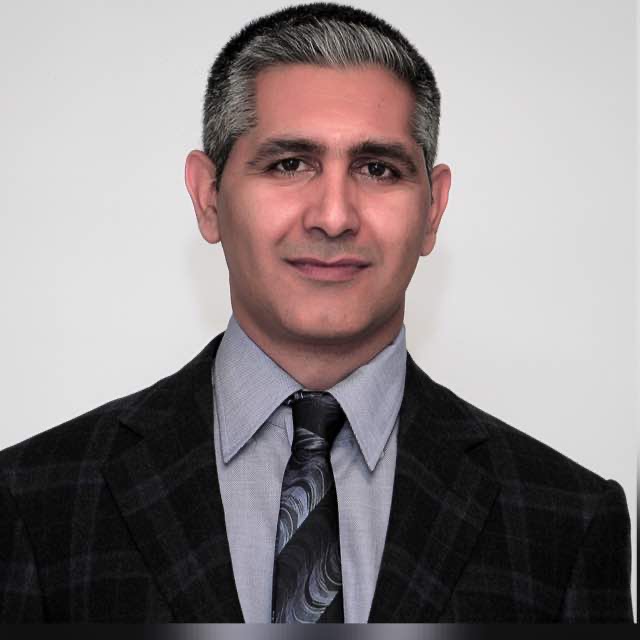
By Dr. Ebrahim NooriGoushki
Family Medicine Specialist, Tehran, Iran
A Message on Journalist Day: Celebrating the Role of Responsible Health Journalism
Dedicated to health journalists who choose truth over sensationalism, evidence over assumptions, and public health over personal interests.
August 8th is recognized in Iran as Journalist Day, commemorating the professional commitment of journalists who have dedicated their lives to informing society. The day is associated with the memory of Mahmoud Saremi, an Iranian journalist whose dedication to accurate reporting and public information became a symbol of professional responsibility.
However, journalism, especially health journalism, is far more than reporting events. In modern health systems, population health is shaped not only in hospitals and healthcare facilities, but also through public awareness, health literacy, trust, and the quality of decisions made by individuals and policymakers.
Health journalists today are not merely transmitters of medical news. By improving health literacy, promoting transparency, connecting scientific evidence with society, and asking responsible questions, they represent an essential component of effective health governance.
Alongside the fundamental pillars of health governance, including health leadership and policy-making, health service delivery, and community participation and empowerment, health journalism can be considered the "fourth pillar of health governance."
This does not imply that journalists replace healthcare professionals or policymakers. Rather, it recognizes their unique role as a bridge between science and society, between frontline realities and policy decisions, and between public needs and health system priorities.
Health Journalists as Architects of Health Literacy
One of the foundations of successful health systems is improving health literacy. The World Health Organization recognizes health literacy as a key factor enabling individuals to access, understand, evaluate, and use health information effectively.
A population with higher health literacy is not only better informed; it is also better prepared to prevent disease, make appropriate healthcare decisions, participate in health programs, and resist misinformation.
Health journalists serve as translators of scientific knowledge. They transform complex medical evidence into understandable information that helps people make informed decisions about their health.
Major health initiatives, including prevention programs, strengthening primary healthcare, and implementing family medicine and referral systems, cannot succeed without public trust and community engagement.
People need to understand why prevention, continuity of care, and strong primary healthcare systems are essential for improving health outcomes. Responsible and evidence-based health journalism plays a critical role in creating this understanding.
Health Journalism and Evidence-Based Medicine
In an era of information overload, one of the greatest challenges facing healthcare systems is the rapid spread of misinformation, unsupported medical claims, and commercial messages presented as scientific facts.
A professional health journalist does not only ask: "What happened?" They also ask:
- What is the scientific evidence behind this claim?
- Are the benefits and potential harms clearly established?
- Is this intervention appropriate for all patients or only specific groups?
This is where health journalism connects with Evidence-Based Medicine (EBM).
Health journalists should be able to distinguish scientific evidence from commercial promotion and unsupported claims. Their role is not to oppose medical innovation or treatment; rather, it is to advocate for rational, ethical, and evidence-informed healthcare.
During the era of the "infodemic," the widespread circulation of inaccurate health information, accurate and responsible reporting can protect public trust and prevent harmful decisions.
Quaternary Prevention: Protecting Patients from Unnecessary Medical Harm
Modern medicine has expanded the concept of prevention beyond disease prevention and early diagnosis. One important concept in evidence-based healthcare is Quaternary Prevention.
Quaternary prevention aims to protect individuals from harm caused by unnecessary medical interventions, including over-diagnosis, over-treatment, unnecessary diagnostic tests, and low-value procedures.
Sometimes, the best medical decision is not performing an unnecessary intervention.
Health journalists have an important responsibility to communicate this concept to the public:
- More tests do not always mean better healthcare.
- More imaging does not always mean better diagnosis.
- Newer treatments are not always more effective.
High-quality medical decisions should be based on accurate history-taking, appropriate clinical examination, shared decision-making, and the best available scientific evidence.
Quaternary prevention does not undermine trust in medicine; rather, it promotes wise medicine, care that maximizes benefits while minimizing unnecessary harm.
From Frontline Experience to Health Policy: Why "Frontline-to-Policy" Matters
Health systems are ultimately human systems. Their success depends not only on regulations, structures, and guidelines, but also on the knowledge and experience of the people who deliver care every day.
Effective health policy requires the integration of three essential elements: scientific evidence, management data, and frontline experience.
Healthcare professionals who have moved from frontline service delivery to leadership and policy roles possess a unique form of practical knowledge. They understand the real challenges faced by patients, healthcare workers, and communities.
This experience represents an invaluable bridge between evidence and implementation.
Policies designed without sufficient understanding of frontline realities risk creating a gap between intention and practice.
Therefore, strengthening health governance requires mechanisms that allow experienced professionals with real-world healthcare backgrounds to contribute meaningfully to decision-making processes.
Health journalism has an important role in raising this issue, not by selecting individuals for leadership positions, but by promoting transparency, merit-based governance, and responsible use of health workforce capacity.
A key question for every health system is: are the voices of those who understand frontline realities sufficiently represented in health policy decisions?
This is not a question about individuals or groups; it is a question about improving the quality of governance and protecting public interests.
Health Journalists as Guardians of Transparency, Equity, and Ethics
Public trust is the most valuable asset of any health system. This trust is strengthened when people believe that health information is accurate, transparent, and based on scientific evidence.
Health journalists should remain independent, not as supporters or opponents of power, but as advocates for truth, evidence, and public interest.
Constructive criticism is not a threat to health systems. It is one of the mechanisms through which health systems learn, improve, and become more accountable.
A resilient health system welcomes informed questions and recognizes responsible journalism as a partner in achieving better health outcomes.
A Ten-Point Charter for Health Journalism
- Prioritize truth over sensationalism.
- Respect scientific evidence.
- Place public health at the center of reporting.
- Distinguish science from advertising and misinformation.
- Improve health literacy among communities.
- Protect patients from unnecessary medical interventions.
- Promote transparency and accountability.
- Highlight the value of frontline healthcare experience in policymaking.
- Remain independent from political and organizational interests.
- Recognize that responsible reporting can save lives.
Conclusion: A Pen That Can Protect Lives
If physicians are guardians of health in the clinical setting, health journalists are guardians of health knowledge and health systems.
A physician may save the life of one patient; a health journalist, through improving awareness, correcting misconceptions, preventing harmful decisions, or encouraging better policies, may influence the health of thousands or even millions.
Health is not built only in hospitals. It is built in communities, primary healthcare centers, universities, policy rooms, and in the pages of media organizations that responsibly communicate the truth.
On Journalist Day, the best way to honor health journalists is to support professional independence, evidence-based reporting, and the public's right to accurate health information.
Because sometimes, a responsible pen can protect lives before any medicine is prescribed.