What Would Most Help Women Physicians
Reflections from the WONCA South Asia Community
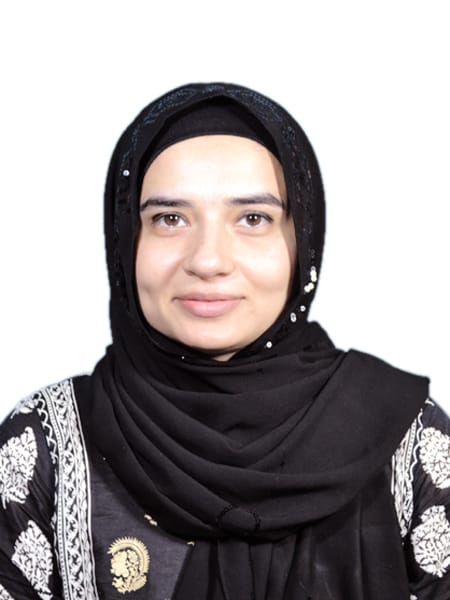
By Dr Sarah Rashid,
Young Doctor Representative, Working Party on Women and Family Medicine (South Asia Region),
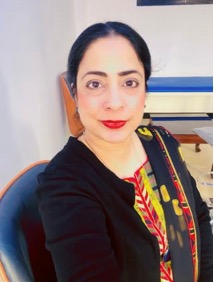
and Dr Hina Jawaid,
Chair, Working Party on Women and Family Medicine
The WONCA Working Party on Women and Family Medicine continues to focus on empowering female family physicians and helping them address work-life balance. The combination of long working hours and home responsibilities can be exhausting. Peer support and practical solutions offered through professional networks can help members manage stressful situations and support their professional growth. Despite busy schedules, our women's working party members across the globe contribute in many ways to day to day learning and health, through monthly educational webinars, short case scenarios, medical quizzes and multiple choice questions.
In that same spirit, earlier in July a discussion took place within our South Asia community. Our Young Doctor representative, Dr Sarah Rashid, opened a conversation in the WONCA South Asia WhatsApp group, which brings together members from seven countries: Afghanistan, Bangladesh, Bhutan, India, Nepal, Pakistan and Sri Lanka. The prompt was a simple one:
Which ground-level actions would make the most impact on women physicians and women's health in family medicine and general practice?
What follows are the themes that emerged, offered as reflections from the community.
What came up
Advocacy for policy change
The strongest theme by some distance was advocacy for policy change, specifically parental leave, safe working hours and pay equity, as a way of reducing burnout among women family physicians. This echoes the wider evidence base. Published literature notes that, compared with other specialties, the rate of burnout is disproportionately high among family physicians [1].
Community health screening
Another strong theme was a clear appetite for preventive, community-facing work, particularly community health screening camps for conditions such as high blood pressure, diabetes and cervical and breast cancer. Members expressed a wish to shift from reactive towards proactive care, with prevention seen as central to better community health outcomes.
Peer support and wellbeing
Peer support and burnout and wellbeing groups also featured prominently, reflecting how members think about managing occupational stress and exhaustion together rather than alone.
Mentorship
Mentorship, pairing senior GPs with early-career women physicians, drew interest as a route through the pressures of primary care, though it was raised by fewer members. It is an area worth exploring further. Feedback from members on their own past experiences could help identify the barriers, and a peer mentoring programme for postgraduates in primary care may be worth considering.
Research, outreach and rural service
Other ideas raised included local research on women in family medicine, school and college health education outreach, and social media campaigns for health literacy. Training community health workers in underserved areas was raised too, though it prompted less discussion than other themes. That may reflect a familiar challenge: a 2017 study in Pakistan reported that doctors were reluctant to serve in rural areas because of limited infrastructure and the effect on social and family life [2]. The value of this kind of work was nonetheless clear from members' own experiences. One member described spending several years running a low-resource primary care initiative that was well received by her community, a reminder of the individual effort that so often sits behind service improvement in underserved settings.
Key reflections
- Advocacy for policy change, including parental leave, safe working hours and pay equity, is a clear priority for female family physicians.
- There is real interest in expanding screening for non-communicable diseases among women.
- Individual efforts to improve care in rural areas are valued, but more work is needed to understand the barriers to training community health workers in underserved settings.
- The group itself is a community where female family physicians can find peer support, share experience across borders, and learn from one another.
Beyond the ideas themselves, the exercise gave members a moment to reflect on the direction of the working party's work and on how WONCA as a whole can continue its stated mission of promoting equity through the equitable treatment, inclusion and meaningful advancement of all groups of people, particularly women and girls, in the context of all health care and other societal initiatives. Conversations like this one, among colleagues across seven countries, are a small but practical part of how that mission is carried forward.
References
- Yeluru H, Newton HL and Kapoor R (2022) Physician Burnout Through the Female Lens: A Silent Crisis. Front. Public Health 10:880061. doi: 10.3389/fpubh.2022.880061
- Jaffry TN, Mirza S, Farheen S, Khalid S. Reluctance to serve in rural areas: doctors' perspective. Pak J Public Health. 2018 Jan 24 [cited 2026 Jul 31];7(3):157. Available from: https://pjph.org/pjph/article/view/71