Montegut Scholar's Report: CIMF
Report from the 9th Ibero-American Congress of Family Medicine
Lea este artículo en español

By Dr Juan Carlos Perozo García,
Secretary for Inter-Institutional Relations of the Venezuelan Society of Family Medicine (SOVEMEFA),
Coordinator of the Working Group on Rural and Community Medicine of the CIMF,
Montegut Scholar 2026.
I extend my most sincere and heartfelt thanks to the World Organization of Family Doctors (WONCA) for awarding me the prestigious Montegut Scholarship, an invaluable distinction that made my participation possible in the 9th Ibero-American Congress of Family Medicine, held in the city of Asunción, Paraguay, from 22 to 25 July 2026. This institutional support was not only a decisive stimulus in academic and professional terms, it was also a vital channel for raising the profile of Venezuelan family medicine within the Ibero-American context and for building networks of international cooperation, while at the same time becoming a platform for the exchange of knowledge, experience and culture that enriches the soul.
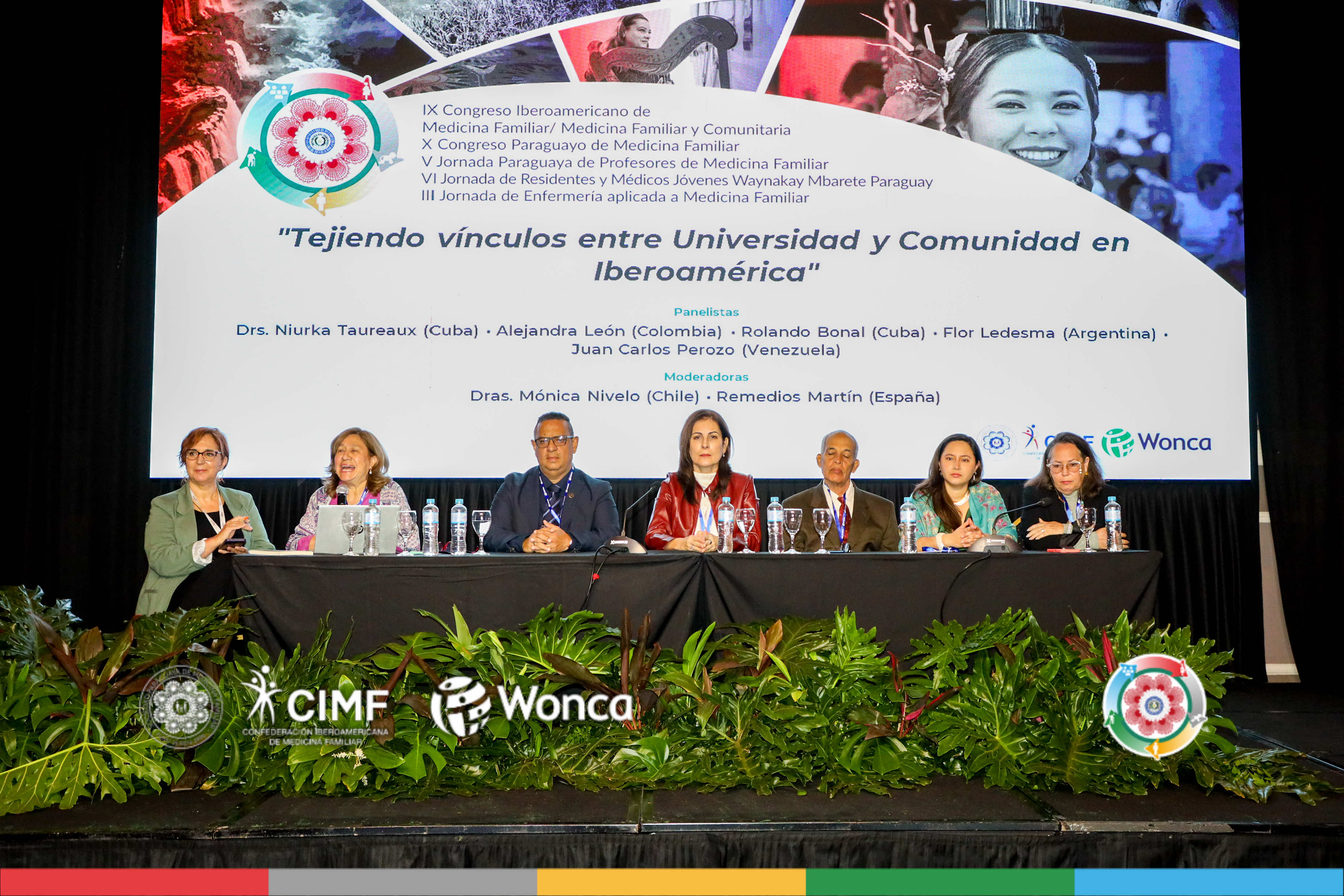
It was a very well structured and comprehensive programme. Over the days of the congress, I had the opportunity to take part directly and prominently in several central activities. First, I joined the panel "Weaving links between University and Community in Ibero-America", an academic exchange of the highest level, where I shared reflections and analysis alongside distinguished colleagues and leading figures from Argentina, Brazil, Colombia, Cuba, Chile, Spain and Venezuela.
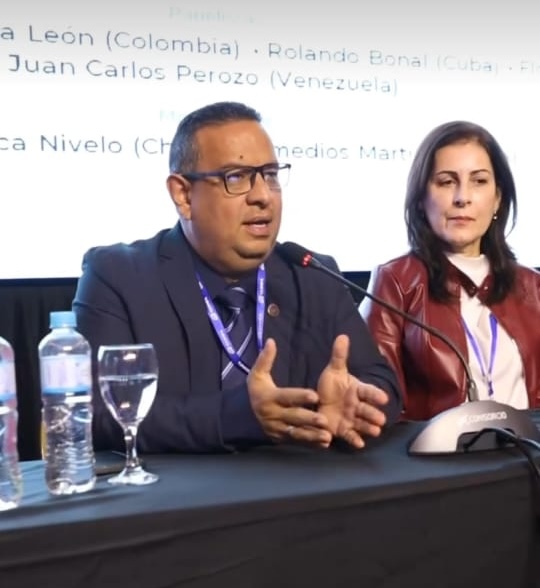
During this session we examined in depth how universities strengthen their links with the community through comprehensive medical training, participatory research and university social responsibility. The diversity of experiences shared allowed us to build collective knowledge around the integration of teaching and clinical care, and around the need to train health professionals with a strong sense of place and social commitment, able to understand local knowledge and to generate the active and productive participation of communities. In my own case, this contribution draws on my years of academic preparation and work at the Francisco de Miranda National Experimental University (UNEFM) in Falcón state, Venezuela, an experience that has given me direct understanding of the importance of drawing the university and the community closer together, and of strengthening training that is committed to the social and territorial reality of our country.
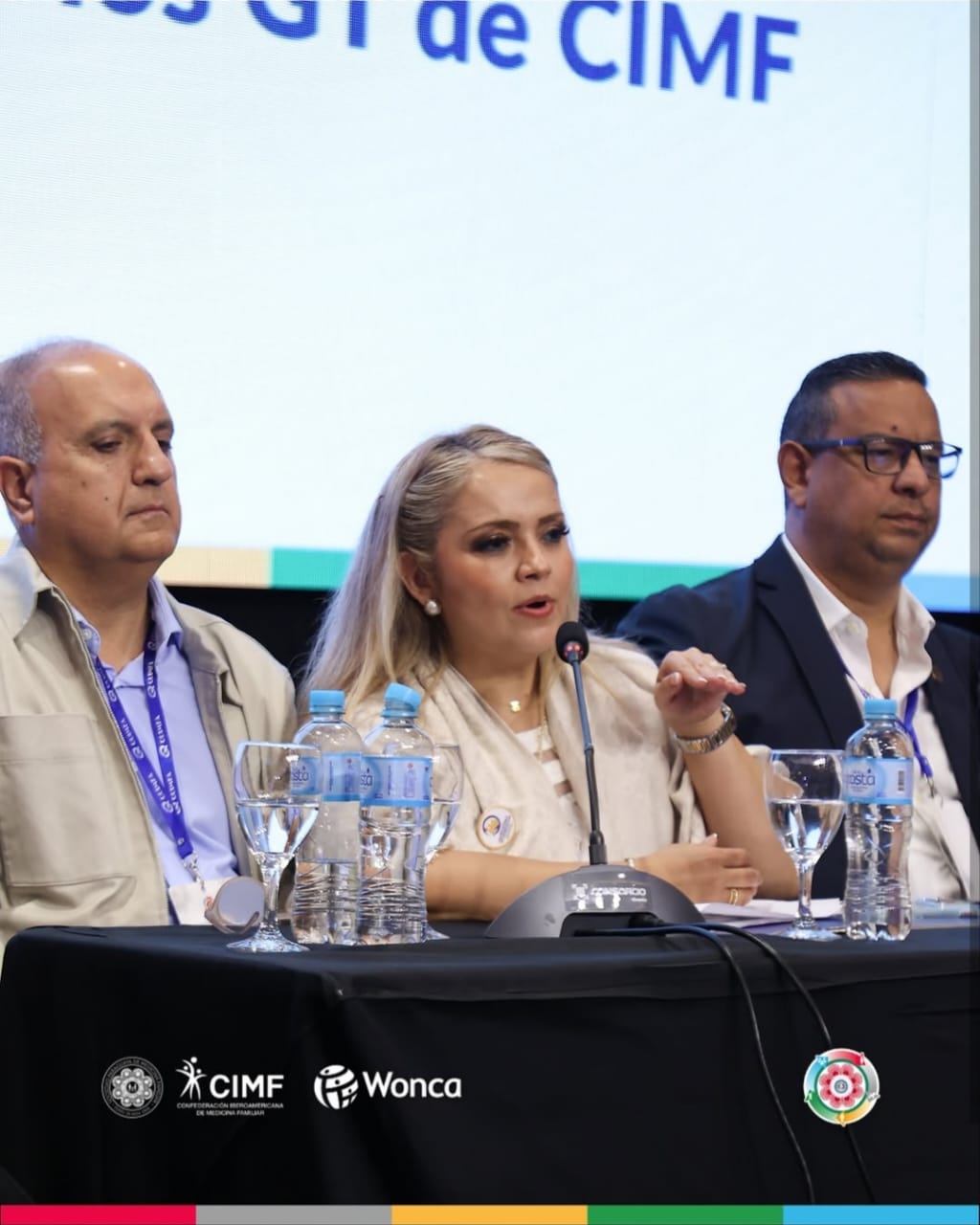
Another central contribution was in the Forum dedicated to the Working Groups of the Ibero-American Confederation of Family Medicine (CIMF). As Coordinator of the Working Group on Rural and Community Medicine, I presented the lines of action, the progress and the strategic goals we are pursuing to raise the profile of health realities in the region's rural settings. This session highlighted the urgency of connecting local knowledge with daily clinical practice, ensuring that the specialty responds with equity, social justice and adaptability to the needs of the most remote and vulnerable populations, understanding that this requires a committed and thoroughly trained team, which makes institutional support a vital component.
I also took part in the meeting on certification and recertification, which addressed a subject of great importance for the region, on the road towards the first meeting of governing bodies for certification and recertification in Ibero-America, to be held on 22 and 23 October 2026 in Bogotá, Colombia. This session allowed us to reflect on the need to strengthen the processes of accreditation and professional recognition, as part of the regional commitment to quality, continuing professional development and excellence in the training and practice of family medicine.
In the field of continuing medical education and personal development, I had a deeply enriching experience taking an active part in the Workshop on Leadership led by Dr Viviana Martínez-Bianchi and Dr María del Pilar Astier. This meeting was an extraordinary space to discuss and understand the pressing need to build the kind of leadership our communities and organisations require, with the emphasis that leadership growth should take place with the support, guidance and mentorship of experts, in order to steer the processes of transformation in primary care effectively.
In the area of institutional governance, I took on with a strong sense of duty the responsibility of representing Dr Luis Jaua, president of the Venezuelan Society of Family Medicine (SOVEMEFA), in my capacity as Secretary for Inter-Institutional Relations of our organisation, during the CIMF Executive Session. Being present at this senior meeting allowed me to witness and support at close hand the extraordinary organisational effort led by the president of the CIMF, Dr Dora Bernal, together with the members of the Executive Committee and the representatives of the Confederation's 20 member countries, confirming a professional cohesion and a strategic vision of great significance for the future of family medicine on the continent.
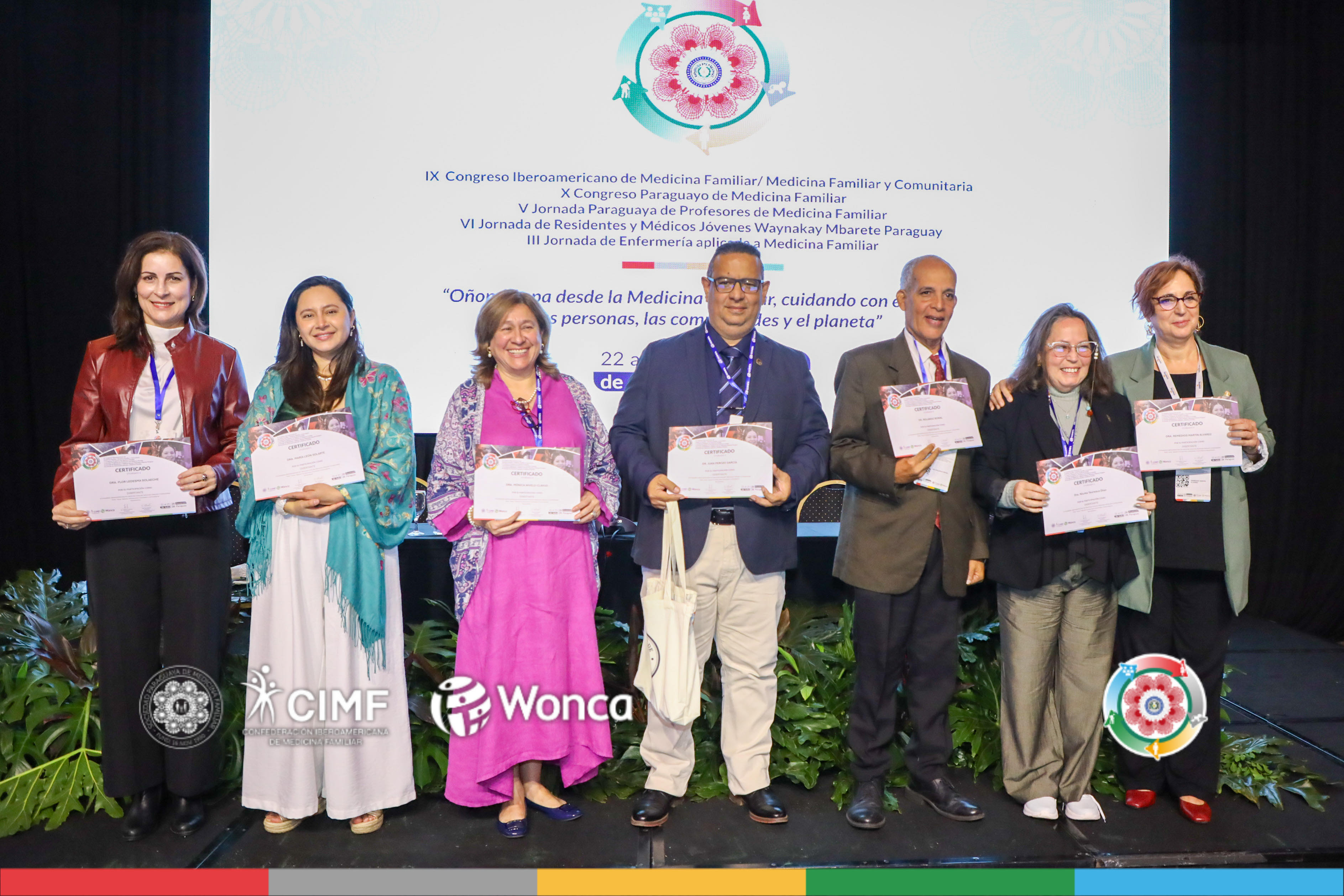
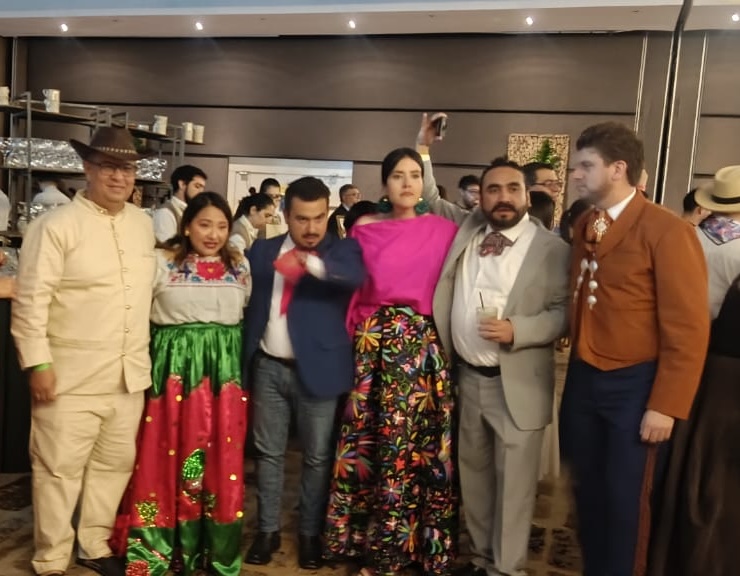
I want to highlight that the whole congress programme was marked by impeccable scientific organisation, with carefully developed and interesting topics. This academic excellence was accompanied throughout by the unrivalled warmth of the Paraguayan people and the faultless work of the Local Organising Committee, ably led by Dr Federico Lezcano, who ensured an outstanding welcome for all international delegates.
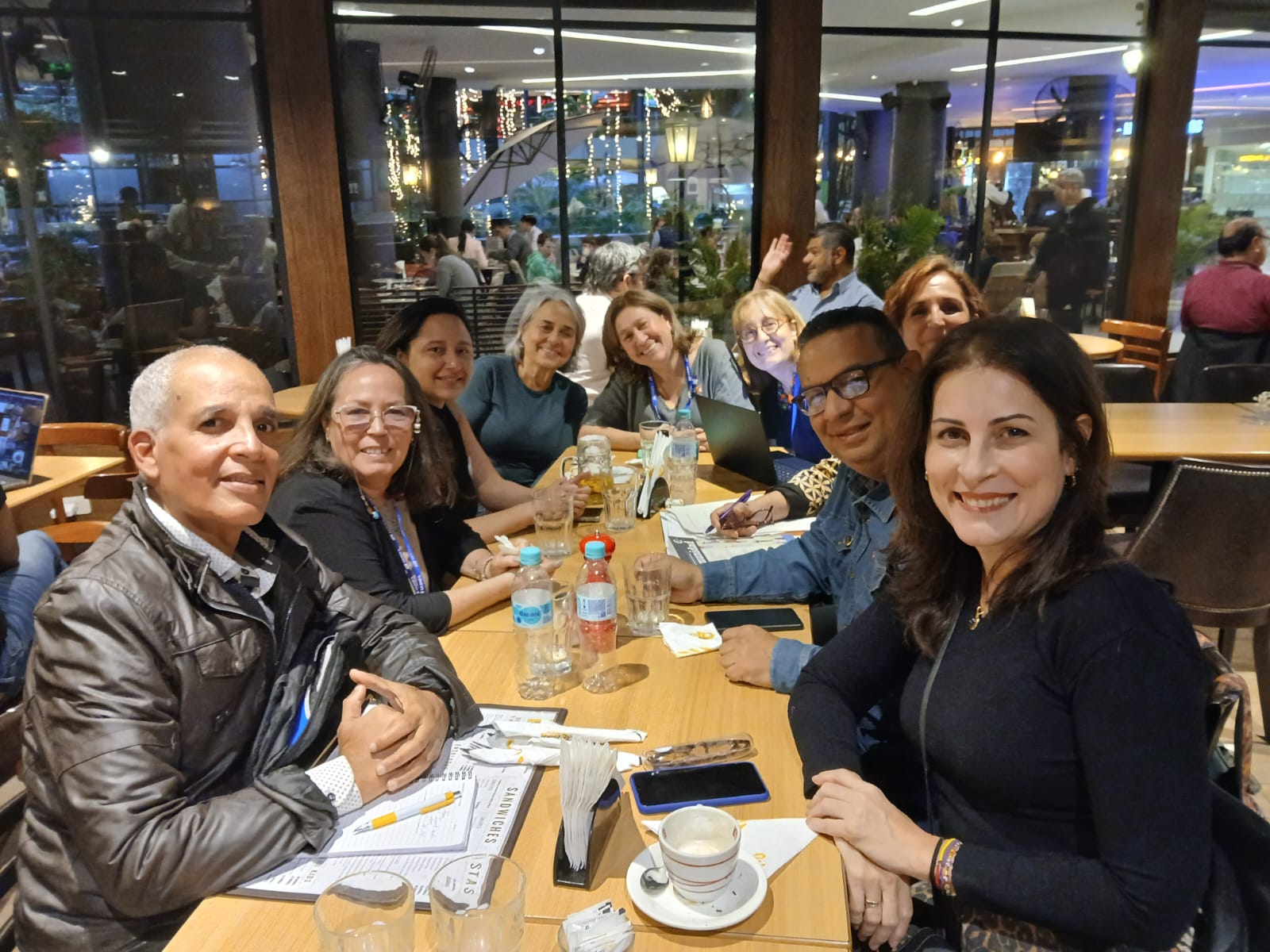
I close this account by reaffirming my commitment and by sending a message of deep fellowship and hope to family doctors across the whole Ibero-American region and, very especially, to my colleagues in Venezuela. To all those who give of their vocation day after day in every clinic, classroom and rural community of our country: family medicine is the beating heart of health systems and the beacon that guides social equity. The experience of this congress shows us that we are not alone, that the dedicated work we carry out from our own territories resonates within, and contributes to, an interconnected global network. Let us keep building, with scientific rigour, transformative leadership and human sensitivity, the strong, dignified and committed primary care that our families and communities deserve, under the motto Oñondivepa, "all together".
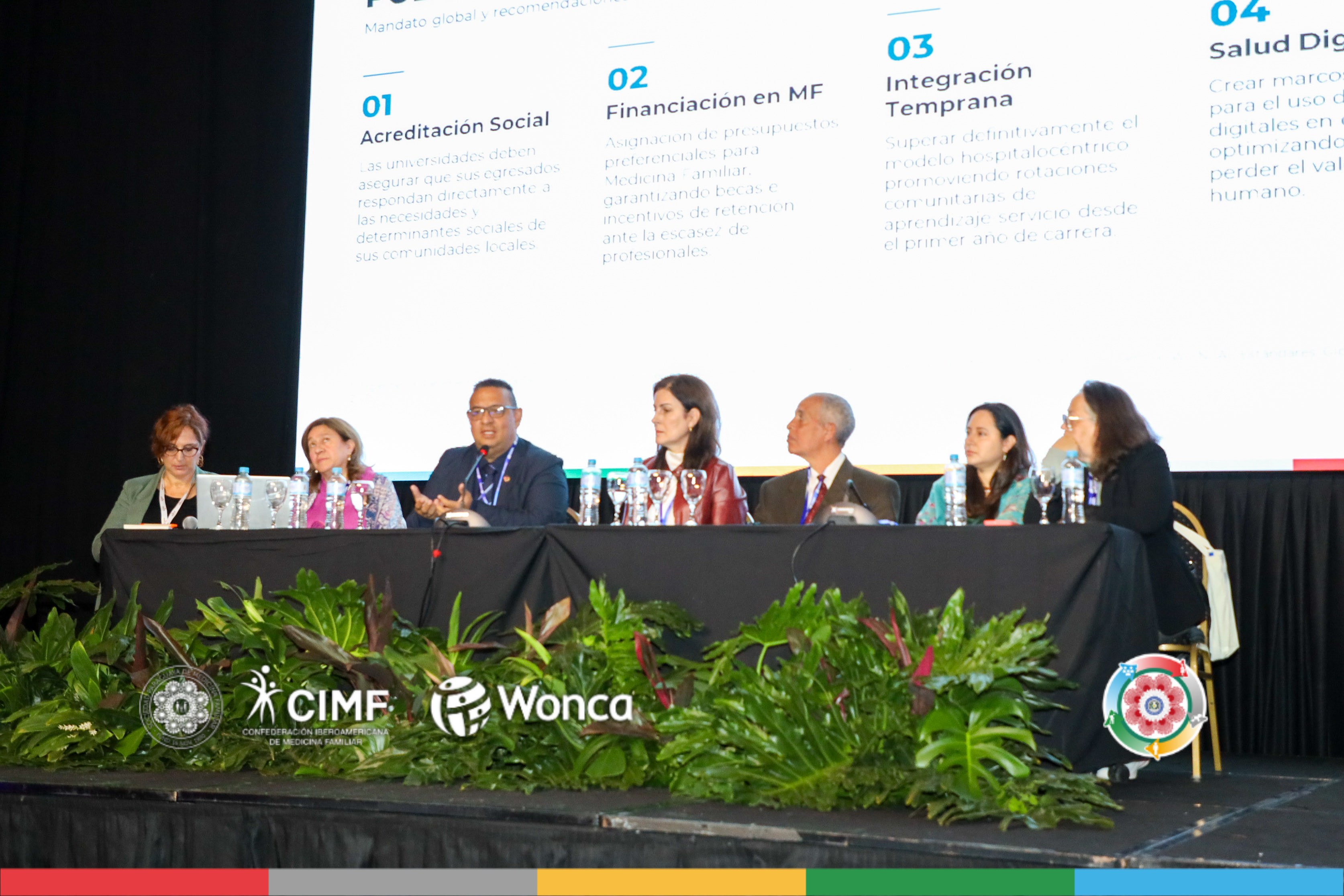
This congress has without doubt been an event without precedent that places the name of family medicine in the region on the highest ground. The experiences, alliances and academic exchanges achieved will serve as direct inspiration and a driving force for the development of the specialty in Venezuela, both in universities and in community practice. I reiterate my gratitude to WONCA for placing its trust in me and making this important experience of Ibero-American integration possible.
Dr Juan Carlos Perozo García
Secretary for Inter-Institutional Relations of the Venezuelan Society of Family Medicine (SOVEMEFA)
Coordinator of the Working Group on Rural and Community Medicine of the CIMF
Read Dr Juan Carlos Perozo García's WONCA Featured Doctor profile
WONCA wishes to formally acknowledge the generous sponsorship of the American Board of Family Medicine Foundation (ABFM-F) through the Montegut Global Scholars Program. More information on the Montegut Global Scholars Program can be found here.