Reflections from Gaborone: Two Montegut Scholars Report
A joint report from the 2026 Montegut Global Scholars for the WONCA Africa Region
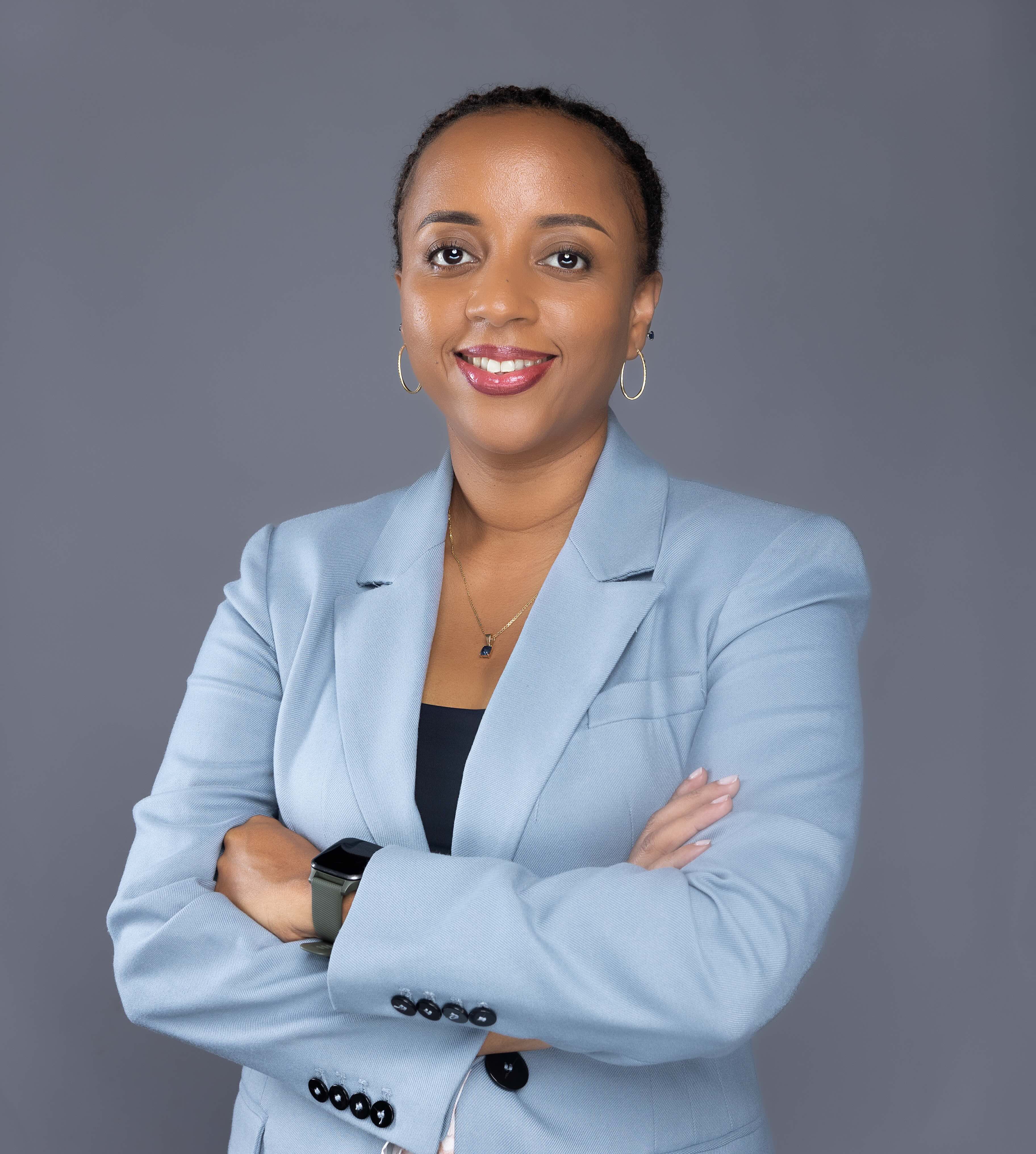

By Dr. Nancy Matillya (Tanzania) and Dr. Bernice Enyonam Akpaloo (Ghana)
2026 Montegut Global Scholars, WONCA Africa Region
We are deeply grateful to the American Board of Family Medicine Foundation (ABFM) for selecting us as 2026 Montegut Global Scholars representing the WONCA Africa Region. This scholarship enabled us to attend the 9th WONCA Africa Region Conference, held in Gaborone, Botswana on 10-11 September 2026 under the theme "We Are One: Africa United to Advance Planetary Health through Collaboration and Resource Alignment in Primary Health Care."
The main conference was preceded by the PRIMAFAMED pre-conference meeting (6-9 September 2026) at Sir Ketumile Masire Teaching Hospital, and the AfriWON Renaissance pre-conference of WONCA Africa's Young Doctors' Movement on 9 September. Below we share the lessons we drew from this experience and the concrete actions we intend to carry back into our practices, training programmes and professional communities.
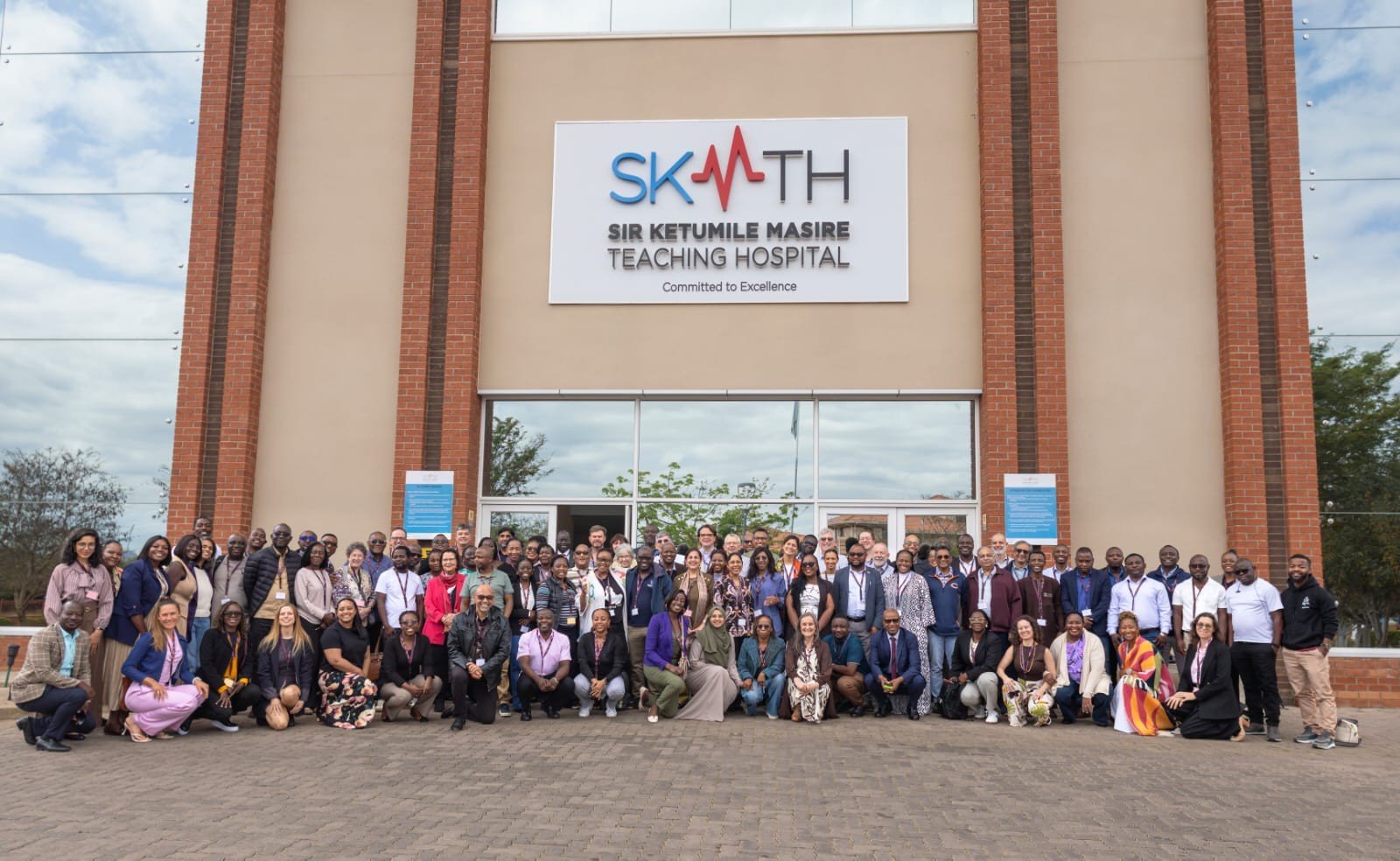
Photo: PRIMAFAMED pre-conference delegates, Sir Ketumile Masire Teaching Hospital, Gaborone.
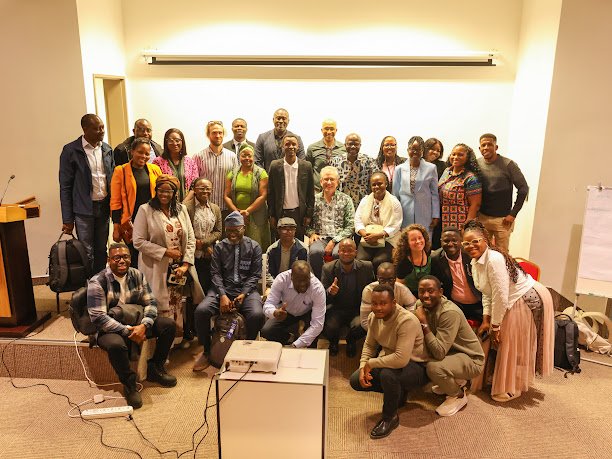
Photo: AfriWON Renaissance pre-conference participants in Gaborone.
Lessons learned
1. Primary care is not peripheral to universal health coverage, it is the pathway
The conference opened with a keynote by Dr. Viviana Martinez-Bianchi (WONCA President), "Family Medicine as Activism," which reframed the urgency of our work: the converging crises facing the world, from disease and poverty to conflict and climate, all arrive at the door of primary care. WHO data presented at the conference reinforced this. Scaling up primary health care interventions in low- and middle-income countries could save 60 million lives, add 3.7 years to average life expectancy and deliver 75% of the health gains projected under the Sustainable Development Goals.
Yet Prof. James Asamani (WHO AFRO) showed how far the region still has to go. Family physicians make up only about 2% of Africa's doctors, with a median density of just 0.59 per 100,000 population, and the continent needs an estimated 49,000 more family doctors by 2035. A key structural barrier is recognition itself. Family medicine is still classified as "General Practice" rather than as a specialty under the international occupational standard (ISCO-08), which makes it largely invisible in national workforce planning and investment.
At the AfriWON Renaissance pre-conference, a fireside chat with Prof. Bob Mash (WONCA Africa President) put these figures in perspective. Family medicine in Africa has come a long way through the work of earlier generations, and the responsibility to keep building it now falls on us.
2. Training the next generation for a changing continent
Prof. Susan van Schalkwyk (Stellenbosch University) challenged us to treat curricula as living things that must evolve. That includes revisiting what counts as knowledge, reconceptualising the clinical workplace itself as a learning environment, and being deliberate about professional renewal. This aligned with two further plenaries: A/Prof. Karen Flegg's (WONCA Immediate Past President) on sustainability and climate resilience in family medicine, and Dr. Ifeoma Monye's (President, World Lifestyle Medicine Organization) on shifting "from disease care to health creation" through lifestyle medicine.
Together they made a clear case that African family medicine training must equip physicians not only with clinical competence but with the tools to address the upstream, environmental and lifestyle-related drivers of ill health in our communities. Young doctors are already taking up this challenge, as the multi-country consensus design lab that shaped the Gaborone Young Doctors' Call to Action on Climate Resilience showed. Hearing colleagues from different countries describe strikingly similar climate-related health problems (heat, shifting patterns of infectious disease, food and water insecurity, and respiratory illness) made it clear that climate resilience cannot be treated as separate from primary care, and that family physicians need to help shape the response now rather than later.
3. Growing our leadership and supervisory capacity
As part of the PRIMAFAMED pre-conference, Dr. Matillya helped prepare and co-facilitated a leadership workshop on strengthening leadership and academic capacity in African departments of family medicine, sitting in a group discussing career progression and succession in academic leadership. A companion workshop on supervising the next generation of family medicine specialists offered practical, transferable tools: clarifying expectations in writing, treating feedback as dialogue rather than correction, and recognising when not to give feedback (when either party is hungry, angry, late or tired: HALT). These are frameworks we can apply directly in our own residency training programmes.
Leadership capacity was also being built at the other end of the career pipeline. Throughout the week, we were not only in the audience but at the table, contributing to consensus labs, working groups and conversations with WONCA leaders past and present. For Dr. Akpaloo, as Ghana's Country Representative for AfriWON Renaissance, this was both an encouragement and a responsibility to carry home.
Dr. Martinez-Bianchi's call to lead with courage and purpose, together with reflections from past AfriWON Renaissance leaders on legacy and continuity, carried a shared message: organisations such as WONCA are not built overnight but through the commitment of successive generations, and succession in family medicine leadership begins with engaging and mentoring doctors today.
4. Strength through regional collaboration
Sessions with ECSA-CFP, the WONCA Africa Region Council and the newly formed WONCA Africa Quality & Safety regional interest group underlined how much is achieved when national associations pool expertise across borders. From ECSA-CFP's grant-funded online training programme for family medicine trainees across five countries, to WONCA Africa's expert groups on policy, advocacy, quality and safety, the value of working together was clear.
Drs. Matillya and Akpaloo both joined the Quality & Safety group's inaugural workshop, each representing their working group in presenting project ideas for members' own workplaces. Dr. Matillya's group put forward ideas on closing NCD prevention training gaps, improving patient flow through better triaging, and strengthening crew-based resuscitation skills. Dr. Akpaloo came away with a clearer understanding of how continuity of care, communication between providers, access to previous clinical information and coordination of care influence patient safety.
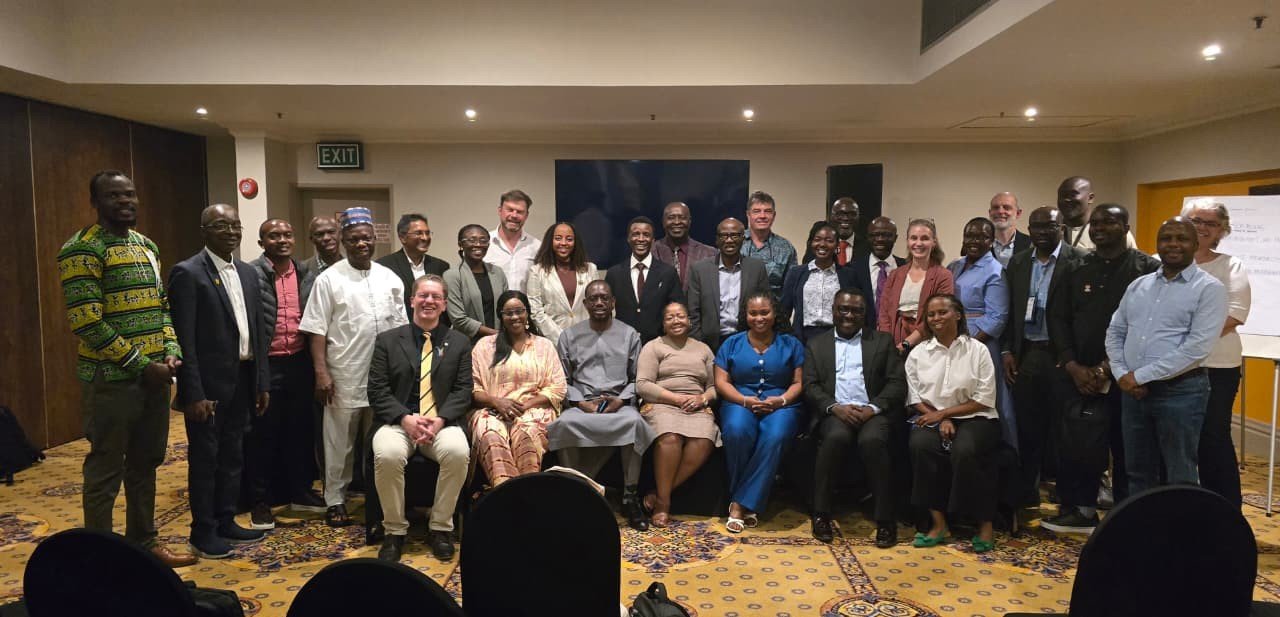
Photo: The newly formed WONCA Africa Quality & Safety regional interest group.
ECSA-CFP was also glad to share our research work from Tanzania, presented as an oral abstract by Dr. Sumayyah Saudin, on medical specialists' perceptions of family physician integration into Tanzania's health system. It was a reminder that the evidence base for our advocacy is being built by African family physicians ourselves. Dr. Akpaloo presented three abstracts from Ghana, and her study on the prevalence and risk factors associated with high blood pressure among students of Kwame Nkrumah University of Science and Technology (KNUST) received the Best Poster Presentation award. This was a proud moment, and a reminder that we need research reflecting our own populations, our own health systems and the realities our patients face.
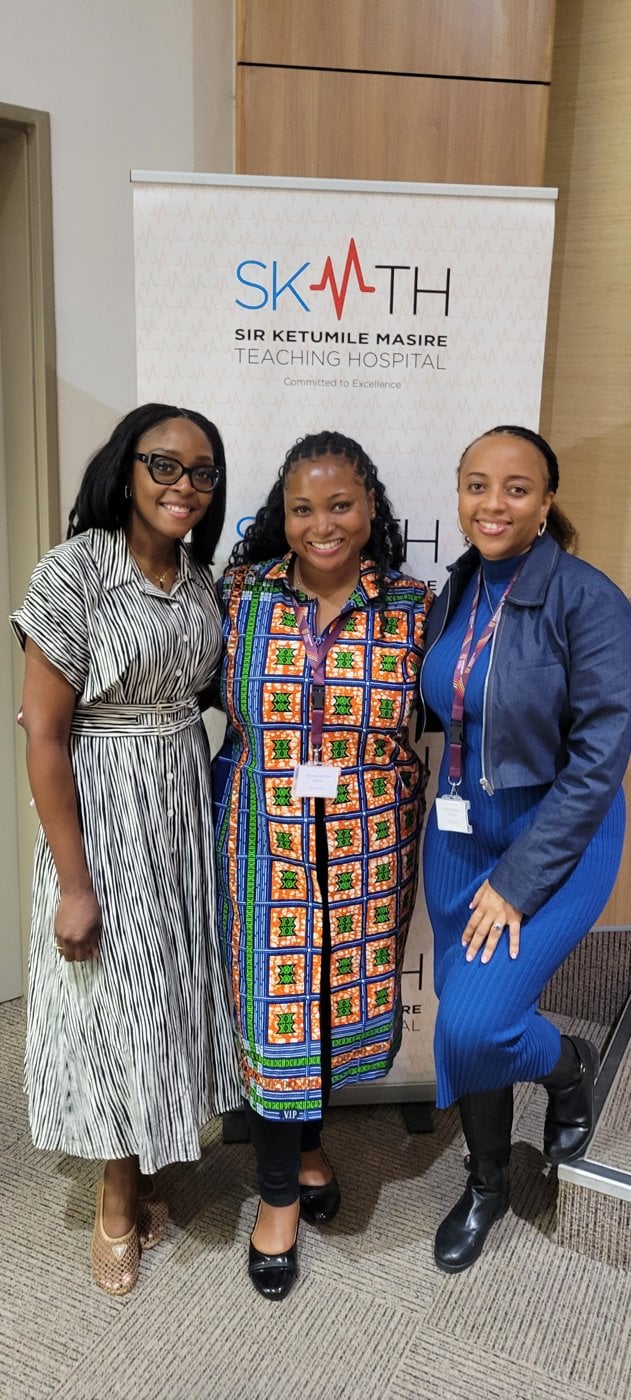
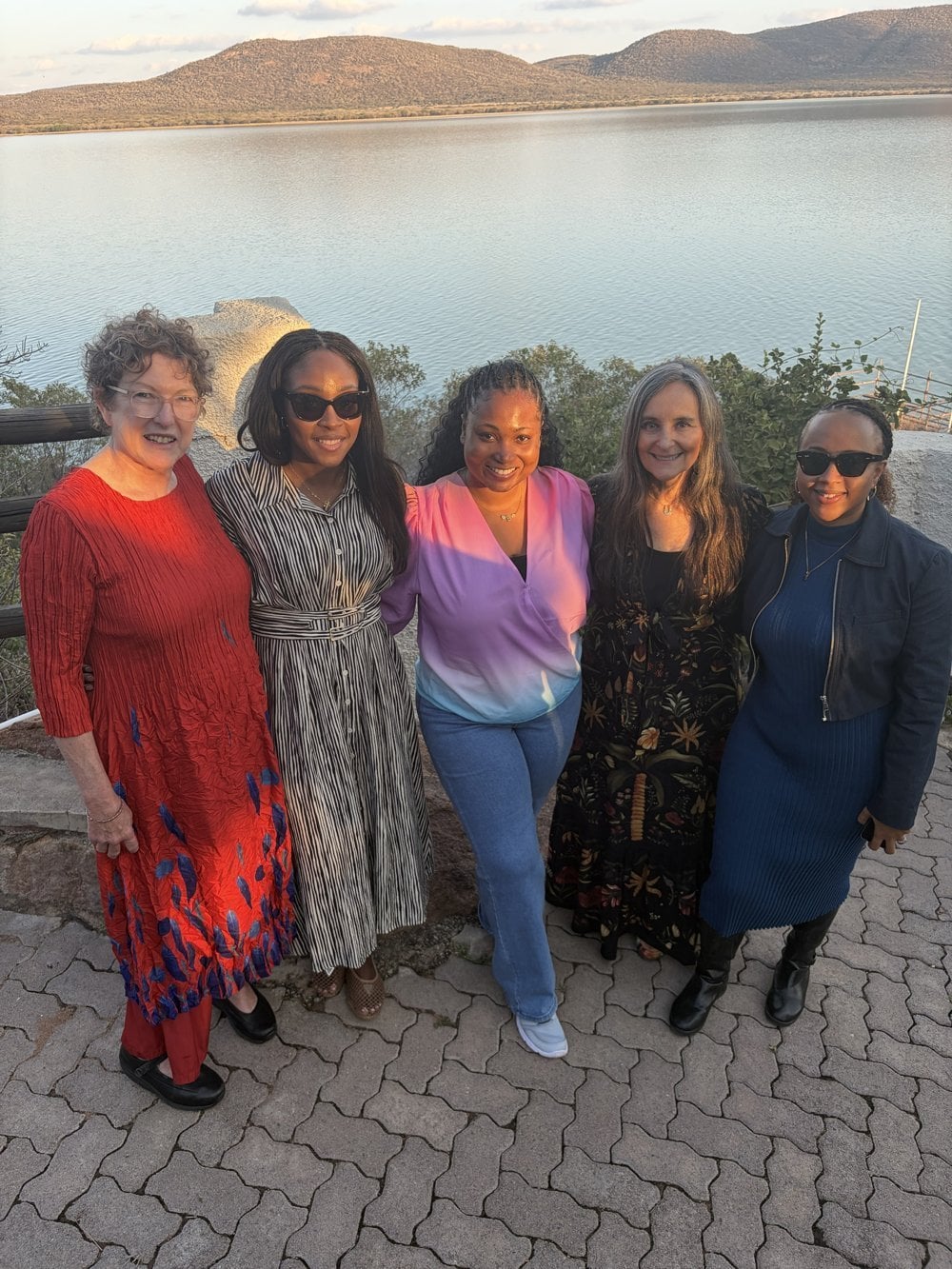
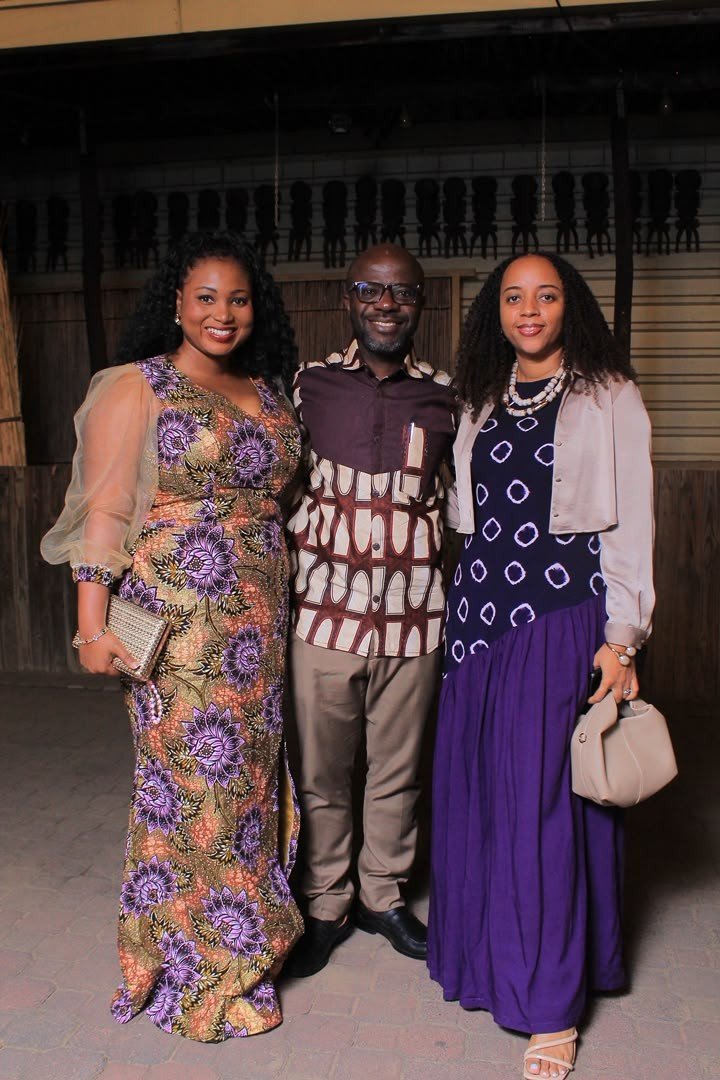
Photos, left to right: The three 2026 Montegut Global Scholars at the conference, Dr. Zahra Mendoza (Trinidad and Tobago), Dr. Bernice Akpaloo (Ghana) and Dr. Nancy Matillya (Tanzania). Drs. Mendoza, Akpaloo and Matillya with A/Prof. Karen Flegg and Dr. Viviana Martinez-Bianchi at the Gaborone Yacht Club. The African co-awardees with WONCA Africa President-elect Dr. Nana Kwame Ayisi-Boateng at the gala dinner.
Action items
As co-awardees representing our respective countries, we each commit to specific, practical actions arising from this experience.
Dr. Nancy Matillya, Tanzania
- Introduce a module on climate change and planetary health into the Family Medicine curriculum at Aga Khan University, Tanzania, building on the resources of the WONCA Working Party on Planetary Health.
- Pilot a lifestyle-medicine-informed intervention at our outreach clinics in Tanzania, applying the "from disease care to health creation" approach shared by Dr. Ifeoma Monye.
- Formalise supervision practices for MMed Family Medicine residents at AKU using the structured framework from the PRIMAFAMED supervision workshop: written expectations, dialogue-based feedback, and awareness of readiness to give and receive feedback.
Dr. Bernice Akpaloo, Ghana
- Grow an active, well-resourced Young Doctors' Movement in Ghana under the Society of Family Physicians of Ghana (SOFPOG), with regular virtual meet-ups and mentorship programmes, in line with the vision of AfriWON Renaissance.
- Start a research clinic, in collaboration with the AfriWON Research Group, to build capacity in research and evidence-based medicine among young doctors.
- Strengthen resilient primary health care by advocating for climate and planetary health, as well as quality and safety principles, to be built into our health care delivery and training programmes.
Once again, we thank the ABFM Foundation and WONCA for this opportunity, and we look forward to reporting back on our progress on these commitments in the year ahead.

About the Montegut Global Scholars Programme
The Montegut Global Scholars Programme was established by the American Board of Family Medicine Foundation in 2010 to foster international education, research and collaboration in family medicine. It supports family physicians from all seven WONCA regions to attend WONCA World, Regional and Rural conferences.
The programme is named in honour of Dr. Alain Montegut, a member of the ABFM Board of Directors from 2005 to 2010, whose career has been devoted to developing high-quality family medicine internationally, especially in underserved countries.
Read more about Dr. Matillya, Dr. Akpaloo and the other recipients in Meet the 2026 Montegut Scholars. Applications for the 2027 programme open in January 2027. Subscribe to the WONCA newsletter to be told when they do.