AfriWon News
WONCA News is pleased to share this special issue of the AfriWon Renaissance Bulletin, prepared by AfriWon Renaissance, the Young Doctors Movement of WONCA Africa.
This issue marks World Family Doctor Day 2026 and reflects on the theme of compassionate care in a digital world. It brings together contributions from young family doctors and family medicine leaders across Africa, with articles exploring artificial intelligence, medical education, social media, digital health, and the continuing importance of compassionate, person-centred care.
The bulletin also celebrates World Family Doctor Day activities from across the region, showing the energy, leadership, and community spirit of family doctors and young doctors in Africa.
AfriWon Renaissance Journal
World Family Doctor Day 2026
By AfriWon Renaissance
WONCA Africa 2026 | AfriWon Renaissance Journal | Gaborone, Botswana
AfriWon News - June 2026
Editor’s Note
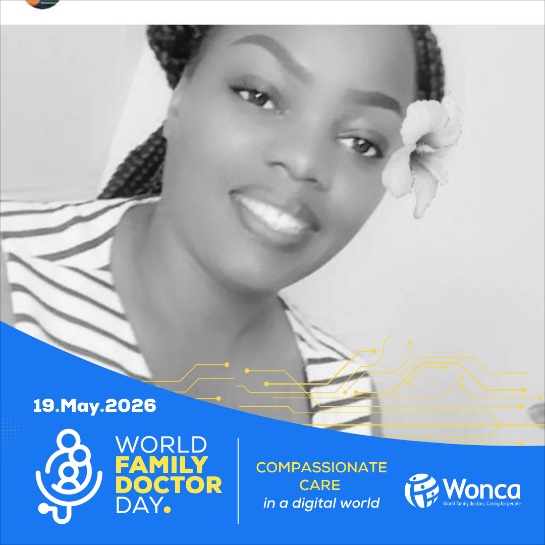
Theme: Compassionate Care with Digital Health
For Young Family Physicians | World Family Doctor Day 2026
Dear Young Family Physicians,
Welcome to this special issue of the AfriWon Renaissance Bulletin.
You are entering family medicine at a time when the stethoscope and the smartphone sit side by side on your desk. Digital health is no longer coming. It is here. AI drafts your notes, apps track your patients between visits, and a WhatsApp message can reach a mother in a village faster than a referral letter.
But let me remind you of something that will not change: healing happens in a relationship.
The WONCA World theme this year, Compassionate Care with Digital Health, calls us to hold two truths at once. First, technology can extend our reach, reduce our burden, and help us catch disease earlier. Second, no algorithm can replace the moment when a patient feels seen, heard, and safe in your presence.
As young doctors, you will be tempted to measure success by speed and volume. Resist that. The African patient you see in a busy district hospital or a crowded urban clinic does not need a faster transaction. They need a doctor who notices the worry behind the words, who remembers their child’s name, and who follows up when the system fails them.
Use digital tools to give you back time, not to take time away. Let AI handle transcription so you can look up and listen. Use telemedicine to follow up, not to replace the touch of a physical exam when it matters. Protect confidentiality as fiercely online as you do in the clinic. And when you see misinformation spreading, be the voice that corrects it with facts and with respect.
This issue brings you voices from Uganda, Kenya, Botswana, and Nigeria. They show how family physicians are using radio, phones, AI, and social media to extend care beyond four walls, while keeping compassion at the center. Read them not just for ideas, but for encouragement. The future of African family medicine is being written by people like you.
Your generation has an advantage: you are digital natives with a deep sense of community. Use it. Mentor those behind you. Advocate for systems that work for your patients. And never forget that the most powerful diagnostic tool you have is still your presence.
Happy World Family Doctor Day 2026. Keep the compassion. Use the technology wisely.
Dr. Nantale A. Peace
Editor, AfriWon Renaissance Bulletin
On behalf of the AfriWon Renaissance Young Doctors Working Group

Graphics by
Dr. Mteeve B. Amugune
Graphics Editor, AfriWon Renaissance Bulletin
Download AfriWon News - June 2026
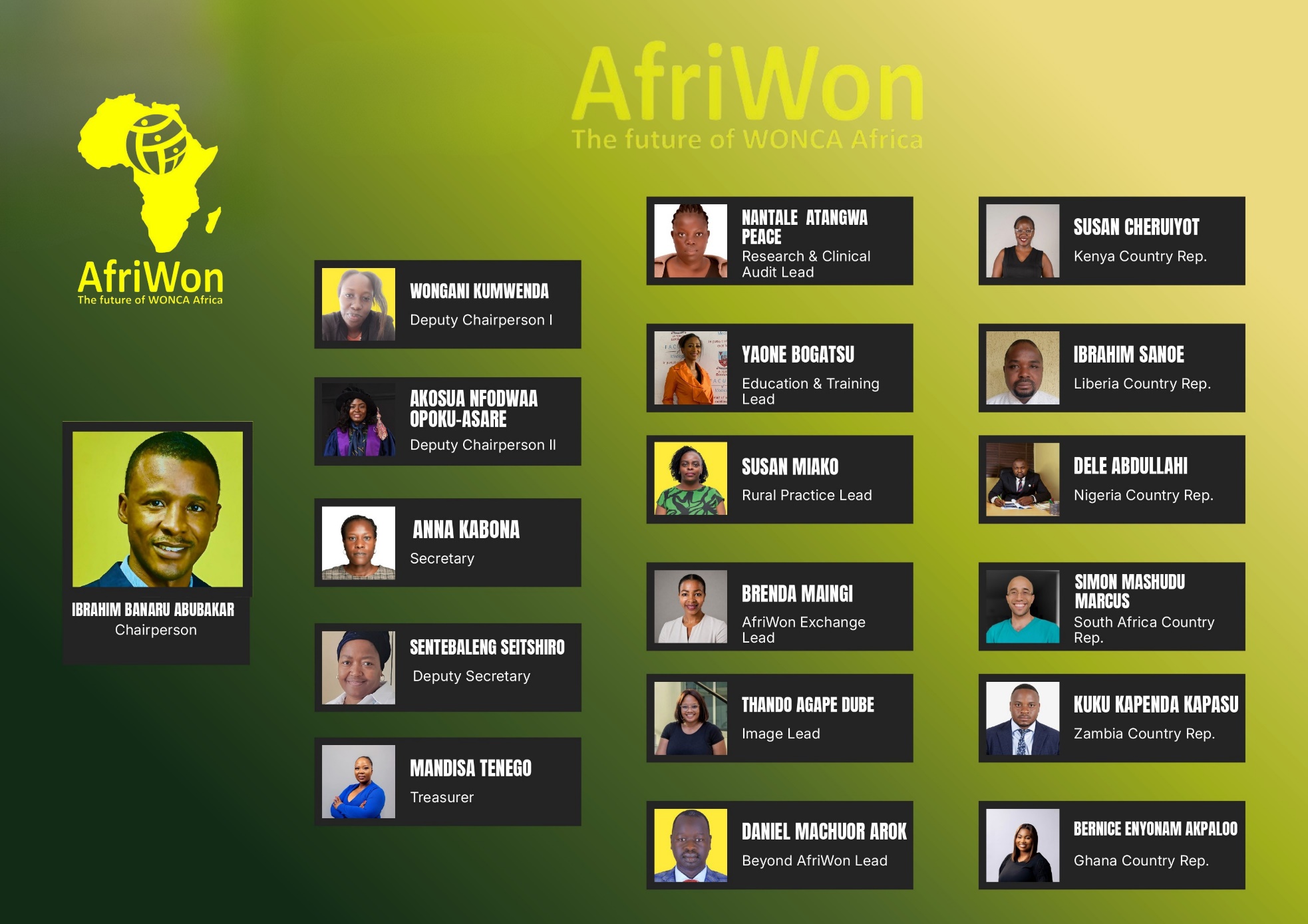
2025-2027 Executive Committee
Download AfriWon News - June 2026
From the Desk of the Chair

Dr. Ibrahim Banaru Abubakar
MBBS, MHE, MSc, MPhil, FWACP (Family Medicine)
Consultant Family Physician, Ahmadu Bello University Teaching Hospital (ABUTH), Zaria, Nigeria
Chair, AfriWon Renaissance
Dear colleagues,
As we mark World Family Doctor Day 2026, I extend warm greetings to family physicians, residents, trainees, and our partners across the AfriWon community and the wider WONCA Africa region. This year’s World Family Doctor Day theme, Compassionate Care in a Digital World, reminds us that even as digital tools and emerging technologies enter our consulting rooms, compassion, continuity, and trust must remain at the heart of family medicine.
Across our continent, from the Sahel to the Cape, from the coast to the hinterlands, family physicians continue to serve where needs are great, and conditions are often demanding. We practise in tertiary centres and busy urban clinics, but also in district hospitals and primary care facilities where the referral pathway may be a long journey, a transport fare a family cannot afford, or a system bottleneck that delays care. In these settings, the work of the family doctor is not abstract policy language. It is the daily practice of continuity, presence, and trust.
The 2026 theme speaks directly to our realities in Africa. Digital health tools, telemedicine, electronic records, and emerging forms of decision support can strengthen access and continuity, especially where distance and shortages delay care. We also live with the constraints of unreliable power, limited connectivity, uneven digital literacy, and the risk that poorly designed systems increase administrative burden rather than protect time for listening. Our task is to ensure that digital innovation serves equity, earns trust, and strengthens the doctor-patient relationship, so that technology supports compassionate care rather than diluting it.
Many of us recognise the cadence of a typical day in African primary care: a child with fever, an antenatal review, a hypertensive crisis, an adolescent struggling quietly with mental health, a chronic disease follow-up complicated by stock-outs, and a family asking for guidance that medicine alone cannot provide. In moments like these, family medicine becomes what it truly is: the steady bridge between prevention and treatment, facility and community, the individual patient and the wider determinants shaping health.
This year’s commemoration comes at a time when our health systems are carrying heavier burdens: rising non-communicable diseases, recurring and emerging infectious threats, workforce shortages, and widening inequities that too often fall hardest on women, children, and those living in poverty. In some contexts, displacement, insecurity, and climate-related shocks further stretch already fragile systems. Even here, the family doctor remains more than a clinician. We are coordinators of care, mentors, advocates for equity, and leaders in primary health care, working side by side with nurses, midwives, community health workers, pharmacists, and the local leaders who shape trust and influence health-seeking behaviour.
Through AfriWon Renaissance, we remain committed to investing in the next generation of African family physicians, strengthening mentorship, leadership development, research capacity, and cross-country collaboration. Our vision is a unified and empowered community of family doctors, confident in our identity and capable of shaping the future of primary care in Africa with excellence, humility, and courage.
As we celebrate today, I invite each member to take one practical step that strengthens our discipline and our systems:
- Mentor intentionally: reach out this month to a trainee or early-career colleague with a concrete offer of guidance and support.
- Advocate strategically: for the basics that make quality care possible: essential medicines, diagnostics, reliable power, functional referral pathways, and respectful, people-centred services.
- Use digital tools wisely: to strengthen continuity and follow-up while protecting confidentiality, equity, and the human presence at the point of care.
- Improve one thing: a small quality improvement action in your facility that strengthens continuity, reduces waiting time, improves follow-up, or enhances patient experience.
- Tell our story: in professional spaces and community platforms: family medicine saves lives not only in emergencies, but through everyday continuity and trust.
To every family doctor across Africa and beyond, your work matters deeply. You are often the first point of contact, the steady thread in a patient’s journey, and the trusted guide through uncertainty. Primary care cannot run on goodwill alone. It must be staffed, supplied, powered, and financed to deliver safe, continuous, high-quality care. In this digital age, it must also be supported by technology that is ethical, equitable, and designed to protect the time and attention that compassionate care requires.
On behalf of AfriWon Renaissance, I thank you for your dedication and service. Happy World Family Doctor Day 2026.
Dr. Ibrahim Banaru Abubakar
Chair, AfriWon Renaissance
Download AfriWon News - June 2026
Artificial Intelligence and Compassionate Care

Conference Brief | WONCA Africa 2026
ARTIFICIAL INTELLIGENCE AND COMPASSIONATE CARE
The Family Physician’s Role at the Human-Machine Interface
Dr. Charles Munyori Itegi
MMed (Family Medicine) | MBA
Consultant Family Physician | County Primary Healthcare Coordinator, West Pokot, Kenya.
Founder, Rift View Specialist Centre
The Question Every Family Physician Now Faces
Artificial intelligence is entering the consultation room. Ambient listening tools transcribe patient encounters in real time. Diagnostic algorithms flag atrial fibrillation from wristwatch data before the patient knows they have it. Large language models draft referral letters in seconds. Predictive risk scores identify which patients will miss their next appointment before the appointment is booked.
The technology is not hypothetical. It is already available, increasingly affordable, and moving faster than the regulatory frameworks designed to govern it.
For family physicians, this creates a specific and urgent question: as AI takes over an expanding share of the cognitive work of medicine, what becomes of the relational work? And if the relational work is allowed to atrophy, what exactly are we left with?
WONCA Africa 2026 Conference Theme
“WE ARE ONE – Africa united to advance planetary health” — 9th WONCA Africa Region Conference, Gaborone, Botswana, 10–11 September 2026
Planetary health recognizes that human health and the health of Earth’s natural systems are inseparable. For Africa’s family physicians, this is not an abstraction. Climate-driven shifts in disease vectors, drought-related food insecurity, and flood-associated outbreaks of waterborne disease are present in the consultation room. AI, positioned well, can help family physicians detect, anticipate, and respond to these patterns at the population level. Positioned poorly, it narrows the clinical gaze to individual data points and misses the ecological and social determinants that planetary health demands we see.
What AI Genuinely Offers Family Physicians
The case for AI in family medicine is real. It deserves an honest hearing before the concerns are raised.
Clinical Decision Support
AI systems trained on population data can surface differential diagnoses the clinician has not considered, flag drug interactions before prescriptions are signed, and identify early warning patterns in chronic disease monitoring. In high-volume primary care settings across Africa, where a single physician may see 60 or more patients per day, these tools reduce the cognitive load that produces error.
Administrative Burden Reduction
The documentation burden in modern primary care is the single largest driver of physician burnout globally. Studies consistently show that clinicians spend more time on electronic records than on direct patient contact. AI-assisted transcription and note generation return that time. Every minute reclaimed from a keyboard is a minute available for the patient across the desk.
Diagnostic Reach in Resource-Constrained Settings
Point-of-care AI diagnostic tools for tuberculosis, diabetic retinopathy, and skin conditions are already deployed in sub-Saharan Africa, extending specialist-level diagnostic capacity to facilities without specialists. In West Pokot, Kenya, where the physician-to-population ratio remains far below national norms, these tools represent genuine equity gain.
Population Health and Preventive Care
AI-enabled risk stratification identifies patients who need proactive outreach before they present in crisis. Family physicians managing community health units can prioritise home visits and community health worker deployments based on predictive data rather than reactive caseload. The AHA PREVENT calculator and similar tools already demonstrate how algorithm-assisted CVD risk reduction translates into measurable mortality gains at the population level.
The Compassion Risk: Where AI Falls Short
The clinical benefits above are achievable. They are also insufficient.
Family medicine is built on a specific claim: that the therapeutic relationship itself is a treatment modality. The evidence base for this claim is extensive. Continuity of care reduces hospitalisation rates. A physician who knows a patient’s family, livelihood, and history elicits more accurate histories, negotiates better adherence, and detects mental health conditions that symptom-based algorithms miss entirely.
AI does none of this. It processes what is entered. It does not notice the patient who answers “I’m fine” while avoiding eye contact, the mother who delays disclosing domestic violence until the consultation is almost over, or the elder who frames a terminal prognosis as a question about whether it is worth attending the grandchild’s graduation.
Three Specific Risks
- Efficiency displacement of empathy: When AI makes consultations faster, the institutional incentive is to see more patients. If throughput becomes the metric, the relational time that defines family medicine is systemically eliminated, not by technology but by the management response to it.
- Algorithmic bias in African populations: Most AI diagnostic and risk models are trained on datasets dominated by North American and European populations. Applying these models uncritically in African settings produces predictive errors concentrated in the populations already most underserved.
- The illusion of understanding: AI systems generate confident, plausible outputs. A family physician who defers to an AI recommendation without applying clinical judgment is not practicing medicine. The risk is greatest in early-career physicians who have been trained alongside AI tools and may not have developed the pattern recognition that makes AI a supplement rather than a substitute.
The Family Physician’s Irreplaceable Advantage
Across all the capabilities AI is acquiring, two things remain outside its reach: genuine presence and biographical knowledge.
Presence is the ability to attend to a person, not a dataset. It is the willingness to hold a silence, to reframe a question, to prioritise what the patient is worried about over what the protocol specifies. It cannot be automated because it is constituted by mutual vulnerability. A machine cannot be present.
Biographical knowledge is what accumulates over years of caring for a person across the full arc of their life. The family physician who managed a patient’s hypertension, delivered that patient’s child, and later accompanied that patient through a cancer diagnosis holds a form of contextual knowledge that no AI system, however sophisticated, can reconstruct from records alone. This knowledge is the foundation of person-centred care.
These two assets are not soft supplements to technical competence. They are clinical instruments. The family physician who deploys them alongside AI tools will consistently outperform the one who deploys AI tools alone.
A Practical Framework: AI as Clinical Adjunct
For family physicians at WONCA Africa 2026, the following framework structures a productive engagement with AI tools:
1. Adopt AI Where It Saves Time Without Replacing Judgment
Transcription, note drafting, prescription checking, and appointment triage are legitimate targets for AI automation. These are administrative and pattern-recognition tasks. Delegate them. Reserve the cognitive and relational bandwidth released for the patient.
2. Interrogate Algorithm Provenance
Before deploying any AI diagnostic or risk tool in an African primary care setting, confirm the population on which it was trained, the performance metrics in that population, and whether local validation has been conducted. Botswana’s HIV treatment outcomes exceed WHO benchmarks precisely because protocols were adapted to local epidemiology rather than imported wholesale.
3. Protect Relational Time Explicitly
If AI shortens the administrative component of a consultation, use the time saved to extend the relational component. Ask the follow-up question. Complete the social history. The appropriate response to AI efficiency is deeper patient engagement, not higher patient throughput.
4. Train the Next Generation in Clinical Reasoning First
The pre-conference programme for young doctors at WONCA Africa 2026 rightly emphasises BLS, point-of-care diagnostics, and mentorship. Add to this a specific curriculum thread on clinical reasoning that is independent of AI decision support. Physicians who cannot reason without the algorithm cannot verify that the algorithm is correct.
5. Advocate for African AI Development
WONCA Africa is positioned to demand AI systems developed on African data, validated in African health systems, and governed by African health authorities. The planetary health theme extends this demand: AI tools deployed in Africa must also be capable of detecting climate-sensitive disease signals, modelling ecological risk at the community level, and integrating environmental determinants alongside clinical ones. Botswana’s National Health Insurance initiative and Kenya’s Digital Health Act 2023 are the policy frameworks within which these demands can be operationalised.
The Africa Dimension
The WONCA Africa 2026 theme of planetary health maps directly onto the AI challenge. A continent facing compounding climate-driven disease burdens cannot afford AI tools designed for stable, temperate, high-income health contexts. Africa must develop its own tools, grounded in its own disease patterns, language diversity, ecological realities, and health system architecture.
The family physician is the natural champion of this agenda. At the community interface, where AI tools will either serve or fail African populations, the family physician is the clinician with the contextual knowledge to evaluate performance and the professional authority to reject tools that do not perform.
Cuba’s polyclinic model, which places the family physician at the centre of a community health system with supporting specialist access, provides one template for how AI can be integrated without displacing the relational core. The physician coordinates; the algorithm supports; the patient receives whole-person care.
Conclusion
AI will not replace the family physician. It will sharply differentiate between family physicians who understand what they are and those who do not.
The family physician who uses AI to reclaim relational time, who applies biographical knowledge no algorithm can replicate, who advocates for tools built on African data and validated in African settings, and who trains the next generation in clinical reasoning independent of machine support, will deliver better care than at any previous point in the discipline’s history.
The family physician who allows AI to narrow the consultation to data entry and algorithm compliance will have created, with great efficiency, something indistinguishable from a poorly designed health portal.
Gaborone in September 2026 is the moment to choose.
Key Takeaways for WONCA Africa 2026 Delegates
AI tools reduce administrative burden and extend diagnostic reach. They cannot replicate presence or biographical knowledge. Under the planetary health theme of WONCA Africa 2026, family physicians carry an additional obligation: to deploy AI in ways that surface ecological and social determinants of disease, not just individual clinical data. Protect relational time. Interrogate algorithm provenance. Advocate for AI systems built on African data. The physician who integrates AI as a clinical adjunct, anchored in the whole-person and whole-planet frame that defines contemporary primary care, will define the next generation of family medicine in Africa.
Dr. Charles Munyori Itegi
Download AfriWon News - June 2026
Artificial Intelligence and Medical Education
Conference Brief | WONCA Africa 2026
ARTIFICIAL INTELLIGENCE AND MEDICAL EDUCATION
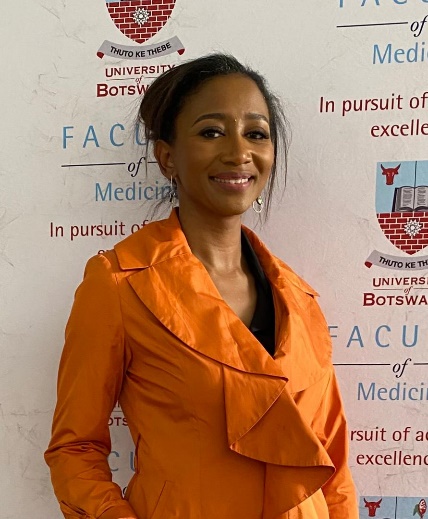
Dr. Yaone Bogatsu
Faculty of Medicine, University of Botswana
Gaborone, Botswana
Medical education has undergone a profound transformation in recent years, driven by the rapid advancement of artificial intelligence (AI) and the global disruption caused by the COVID-19 pandemic.
The pandemic necessitated prolonged periods of restricted movement, compelling institutions worldwide to adopt innovative approaches to ensure continuity in education and professional development. Consequently, traditional face-to-face teaching has diminished, giving way to blended and fully online learning environments.
AI has emerged as a key enabler in this transformation, supporting not only the delivery of education but also enhancing learning experiences, assessment, and administrative efficiency. Increasingly, AI-powered tools are being integrated into medical curricula to support adaptive learning, automate administrative tasks, and provide personalised feedback to students.
University of Botswana
The University of Botswana has actively aligned itself with these global developments. The Faculty of Medicine has implemented a range of innovative strategies to meet the evolving demands of 21st-century medical education, while also incorporating AI-driven tools across multiple aspects of teaching and learning. These include online course management systems, digital assessment portfolios, virtual teaching platforms, and online examination systems.
Course management is primarily facilitated through the Moodle platform, which provides a structured, secure learning environment with differentiated access for students and faculty. Moodle also supports the integration of academic records into the university’s student management system, ensuring efficient tracking of student performance. AI-enabled features within Moodle, such as automated grading, plagiarism detection (e.g., Turnitin), and learning analytics, allow educators to monitor student engagement and identify learners who may require additional support.
The growing adoption of Microsoft platforms, including Teams and SharePoint, has further enhanced the accessibility and delivery of educational content. Microsoft Teams supports synchronous virtual teaching, with the capability to record sessions for later review. This feature allows students to revisit complex concepts at their own pace. Teams also facilitates ongoing discussions through chat functions and collaborative channels, extending learning beyond live sessions. SharePoint provides a centralised repository for course materials and institutional resources.
AI-powered tools are also increasingly being utilised to enrich the learning experience. Virtual simulation platforms and clinical decision-support tools enable students to engage in case-based learning and clinical reasoning exercises. Tools such as AI-driven question banks and adaptive learning platforms, for example, Amboss and uCentral, provide individualised feedback and tailor content to each learner’s level of understanding. Additionally, speech-to-text technologies and automated transcription services enhance accessibility for recorded lectures, while AI-assisted writing tools such as ChatGPT and Microsoft Copilot support academic writing and research skills development.
Given that the Faculty of Medicine operates across multiple campuses nationwide, these digital and AI-driven solutions play a critical role in ensuring consistency, coordination, and alignment among geographically dispersed student groups. They facilitate standardised delivery of content, equitable access to learning resources, and uniform assessment practices.
Despite these significant advancements, there remains substantial potential for further innovation. Continued improvements in platform security, data integration, and AI capabilities are expected to further enhance the quality and efficiency of medical education delivery. The University of Botswana is therefore well-positioned to continue leveraging these technologies to strengthen its role in training future healthcare professionals in an increasingly digital and AI-enabled world.
Download AfriWon News - June 2026
Social Media and Artificial Intelligence in Healthcare

Conference Brief | WONCA Africa 2026
SOCIAL MEDIA AND ARTIFICIAL INTELLIGENCE IN HEALTHCARE
A World Family Doctor Day Reflection from Uganda
Dr. Nantale A. Peace
MMBChB|MMed.
Family Physician, PEN-Plus Initiative, Nakaseke General Hospital, Uganda
According to the World Health Organization, digital health encompasses the use of SMS, radio, television, social media platforms, and other internet-based applications in health delivery and communication. Compassion is a core part of health and healing. This aligns with the principles of family medicine: seeing a person as a whole, holistically understanding context, recognising the contribution of families and environment, and building a strong patient-doctor relationship.
The Foundation We Build On
Uganda has a unique history of using mass media in health. Through national radio and television campaigns, the country was able to push back polio: the image of a person kicking a ball, signifying kicking out polio, led to widespread compliance with immunisation and measurable improvement in population health.
This strategy has been applied in the HIV response, leading to reductions in mother-to-child transmission, wider reach of prevention messages, and a decrease in stigma for people living with HIV and AIDS.
According to the 2024 census, at least seven in ten Ugandans own a mobile phone, and every home has access to a radio. This gives health communicators a wide reach.
What Has Been Achieved with Digital Health
During COVID-19, public health guidance was distributed primarily through SMS and amplified by national media houses following the Ministry of Health direction. This contributed to high compliance with standard operating procedures, and Uganda’s mortality remained below projected figures.
For childhood immunisation, radio and television have been used heavily during child health days and routine immunisation drives. This mass messaging has helped reduce under-five mortality in line with SDG 3 targets on health and well-being.
Cervical cancer screening campaigns have used digital and broadcast media to drive early diagnosis and improve patient outcomes.
For epidemic response, Uganda faces recurrent outbreaks of Ebola, haemorrhagic fevers, and cholera due to porous borders. The provision of a Health Management Information System (HMIS) has enabled surveillance, early detection of cases, and timely application of appropriate guidelines. Social media, television, and radio have been used to disseminate critical standard operating procedures, case notifications, and prevention messages.
Non-Communicable Diseases and Prevention
Uganda faces a silent epidemic of hypertension and diabetes: at least four in ten people with hypertension are undiagnosed, and the burden of the WHO Package of Essential NCD Interventions (PEN) and PEN-Plus remains high. Messages on NCDs are regularly shared through social media and national television.
The recent launch of universal newborn screening for sickle cell disease, promoted through social media and national media, has encouraged genotype screening at the household level. When communities are empowered with information and take charge of their health, household expenditures on avoidable illness decrease.
Social Media as a Tool for Family Medicine
As we celebrate World Family Doctor Day, the role of social media cannot be overlooked. Used well, it is a tool that:
- reaches more people than the clinic walls allow;
- increases equity by enabling access to health information;
- encourages disease prevention and early screening;
- enables advocacy and community mobilisation.
When used with intention, social media extends the family physician’s role beyond clinics and into the communities they serve.
What We Must Watch Out For
Social media without regulation carries real risks.
- Shift in the doctor-patient relationship: with AI and online information widely available, patients increasingly self-diagnose before seeing a doctor. Physicians must learn to balance this, helping patients interpret information and maintaining trust.
- Health risks from overuse: increased screen time has been associated with addiction, mental health challenges, and physical health consequences.
- Privacy and misinformation: without a clear policy, patient confidentiality is at risk. Misinformation on health concepts and myths spreads widely, particularly through alternative medicine channels with access to national platforms.
Way Forward
Several priorities merit attention as Africa navigates the intersection of social media, AI, and primary care:
- National regulatory frameworks on the use of artificial intelligence to protect the public and streamline appropriate tools.
- Training health workers in responsible AI use.
- Guided use of social media in health communication.
- Promotion of a healthy balance between digital engagement and direct clinical care.
Social media and artificial intelligence are here to stay. As family physicians, we must grow in our understanding of these tools, choose platforms that reflect the realities of our patients, and ensure technology strengthens the healing relationship rather than weakening it.
In Uganda, social media and AI have already saved lives, enabled early screening, and brought health information to communities far beyond the reach of any clinic. Used with compassion, policy, and skill, they can help us build healthier populations across Africa.
Dr. Nantale Peace|[email protected]
Download AfriWon News - June 2026
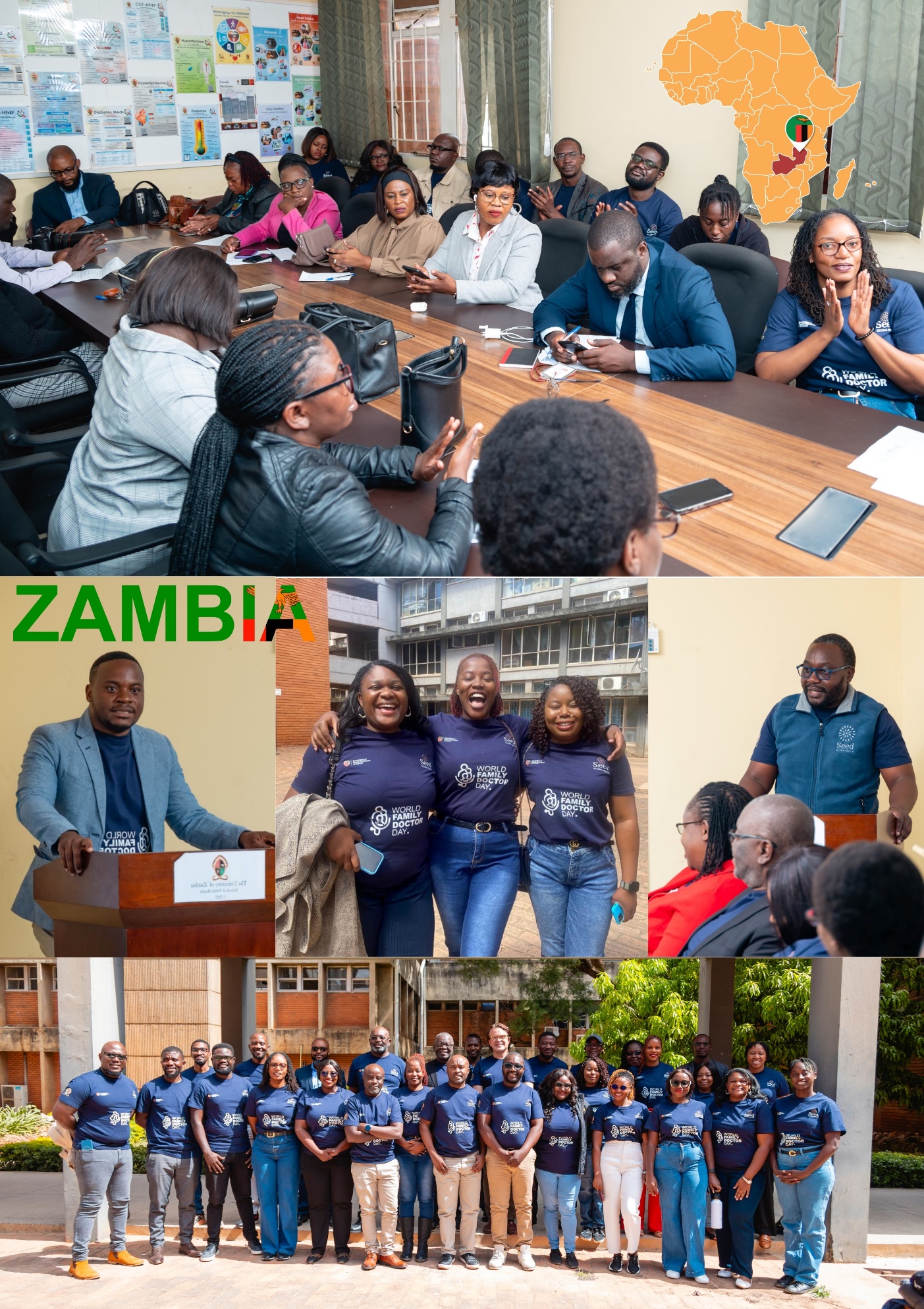
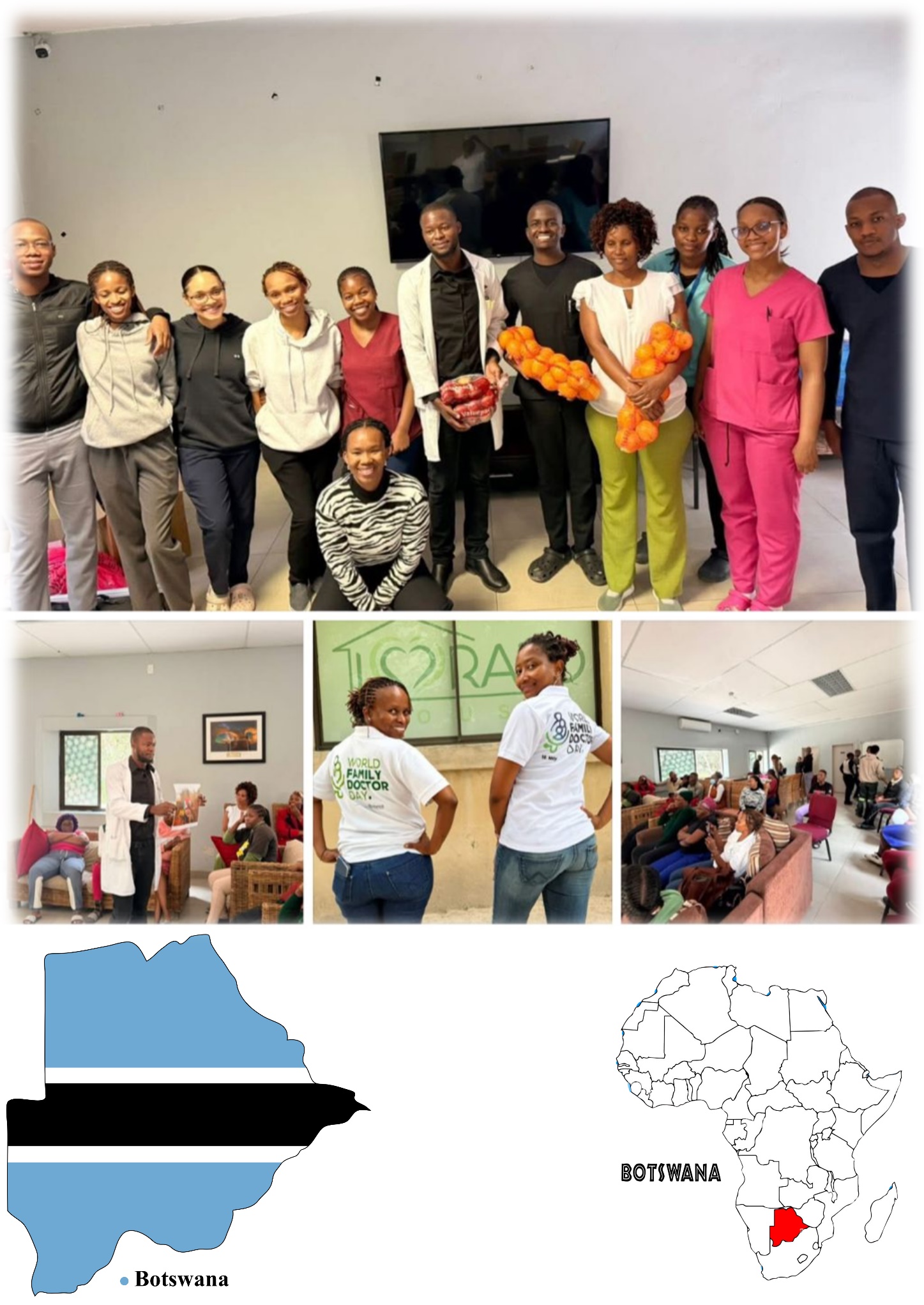
World Family Doctor Day 2026 Celebrations
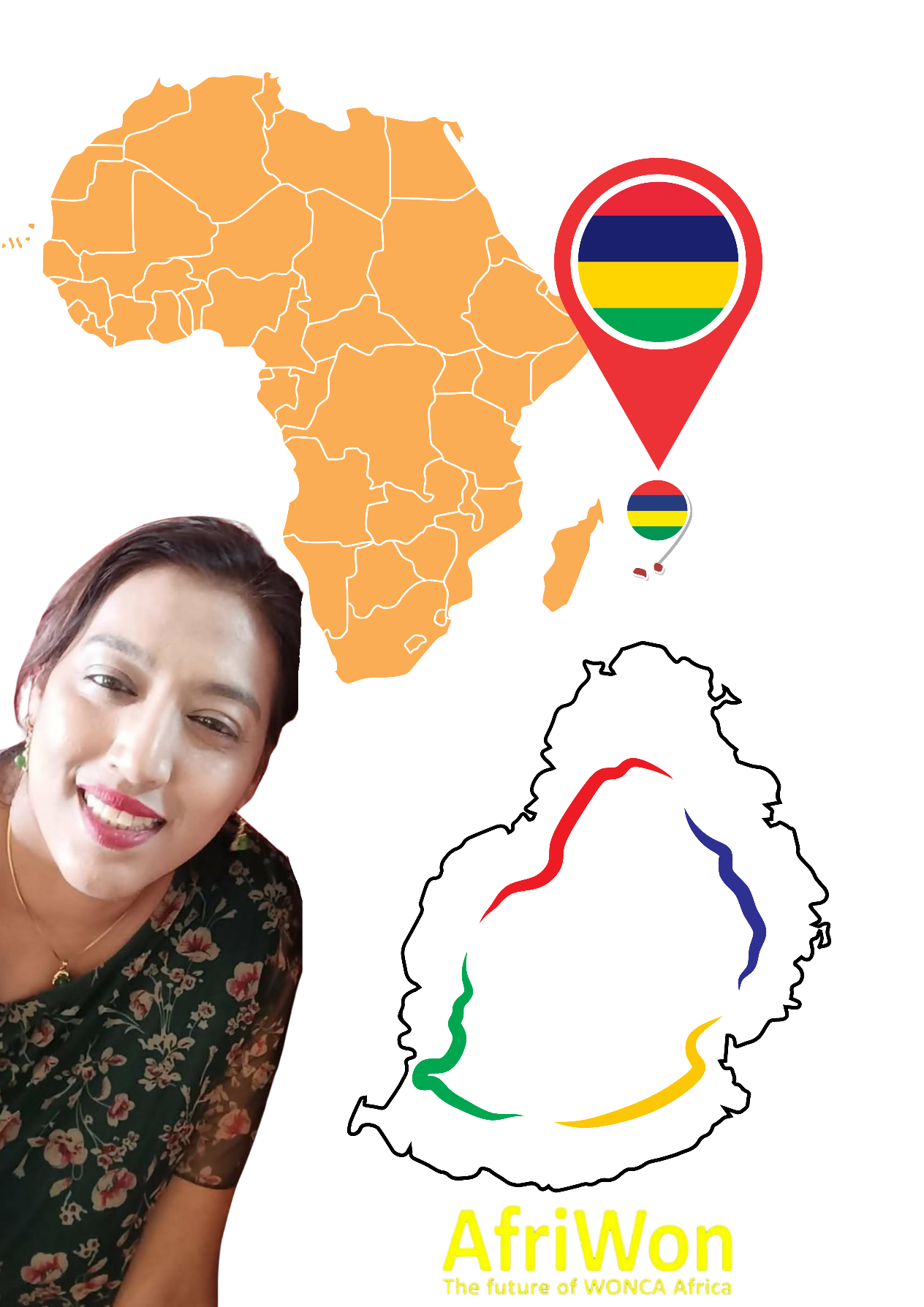
Mauritius - The Only Family Physician
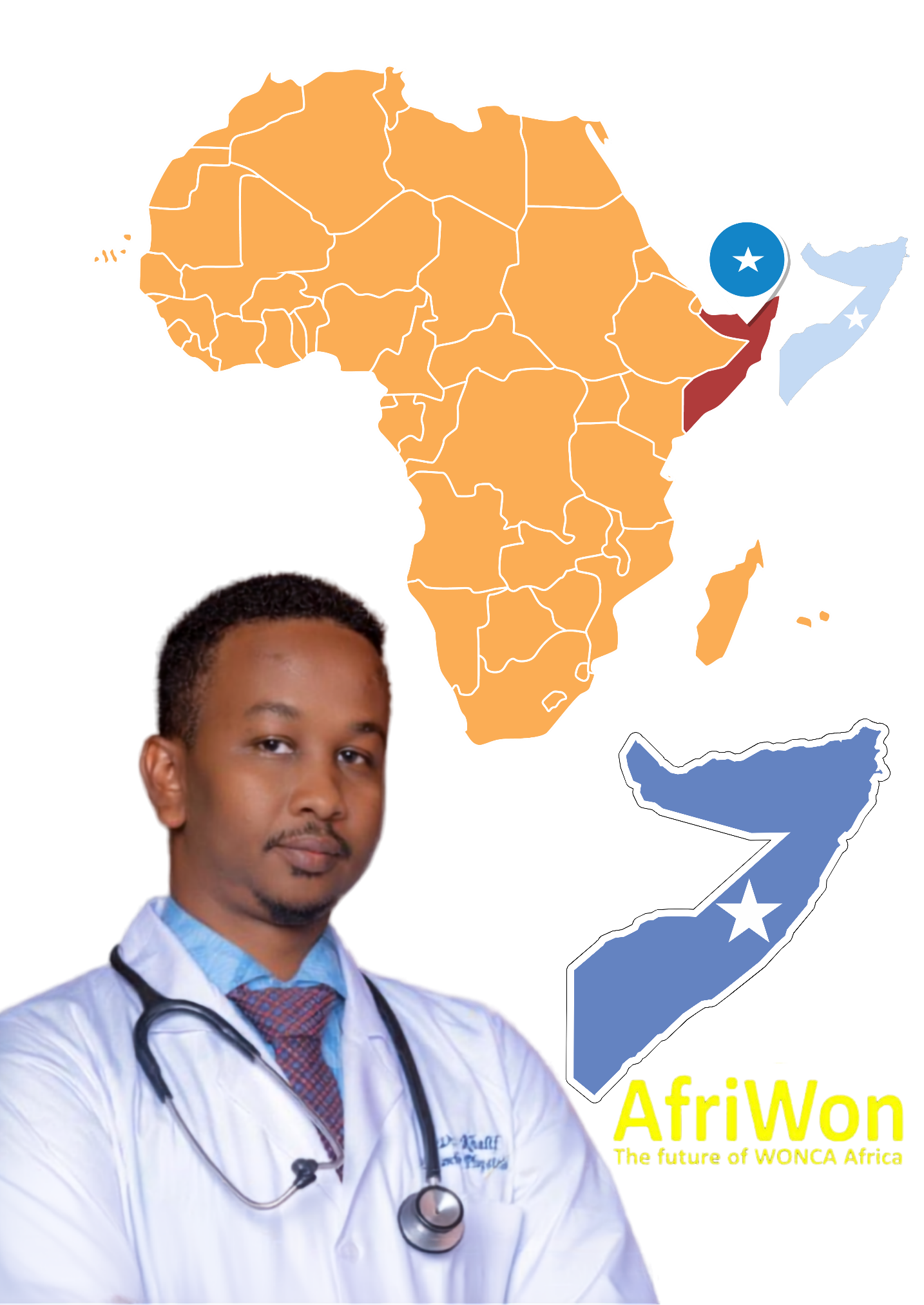
Somalia - The Only Family Physician
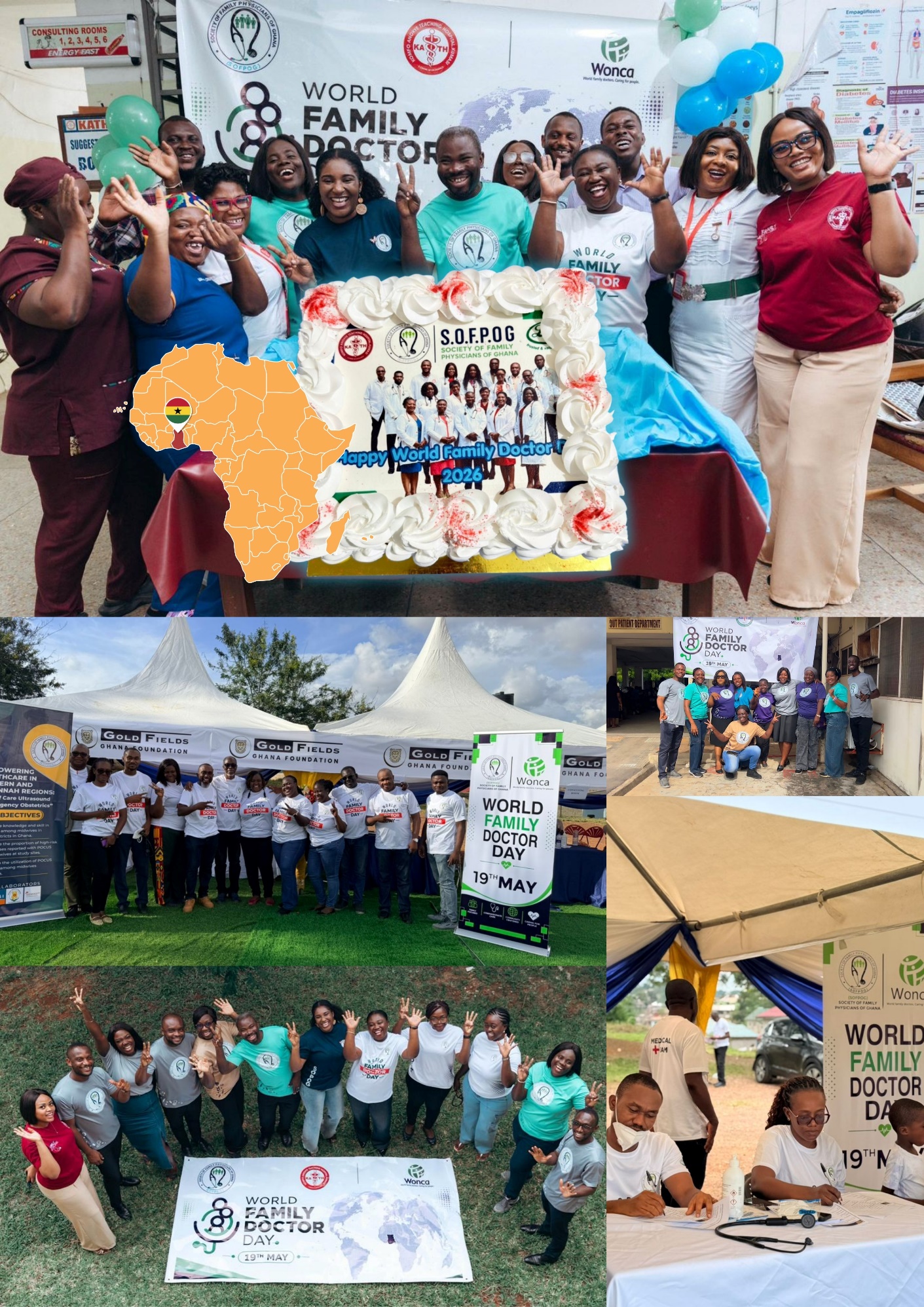
Ghana
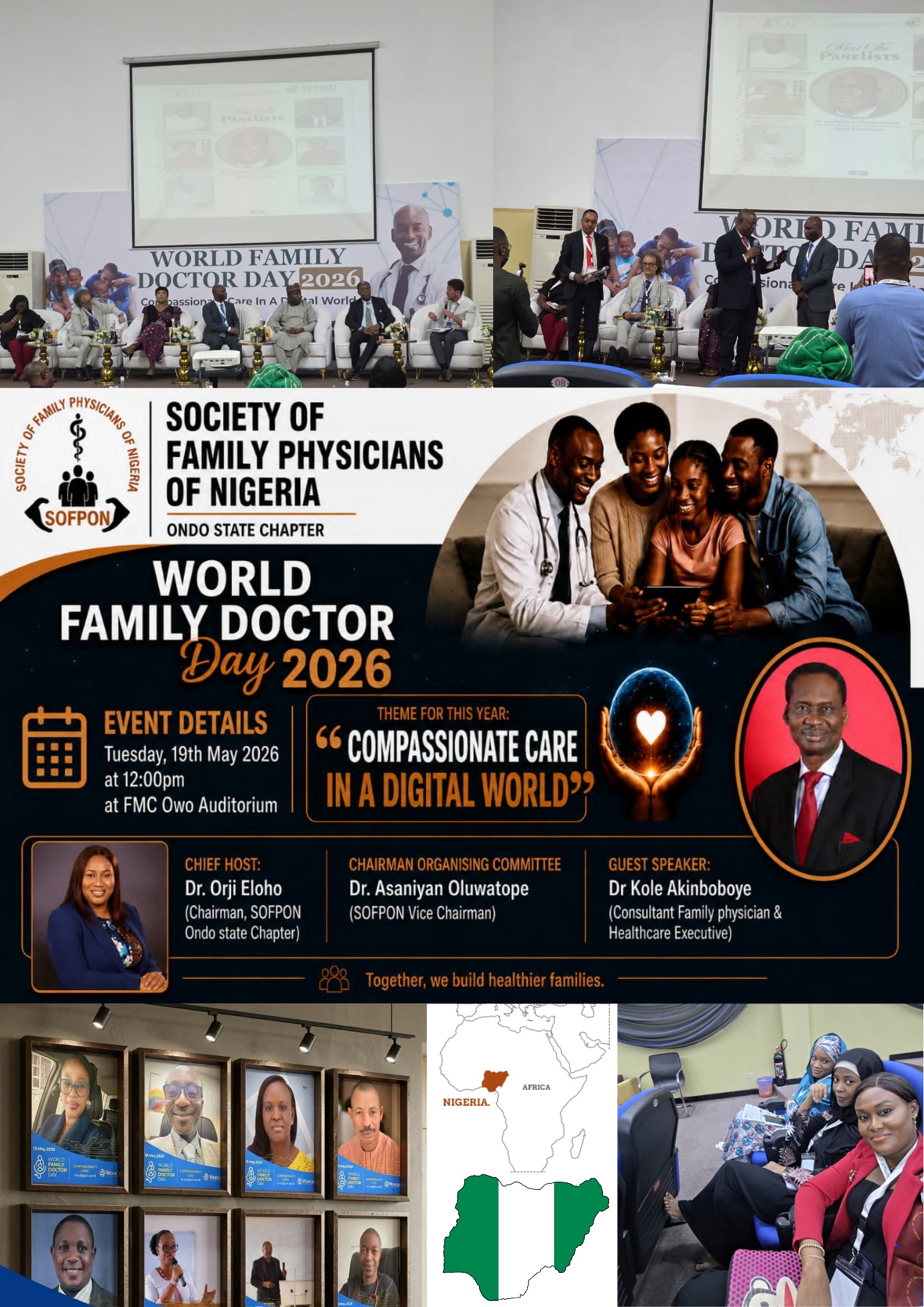
Nigeria
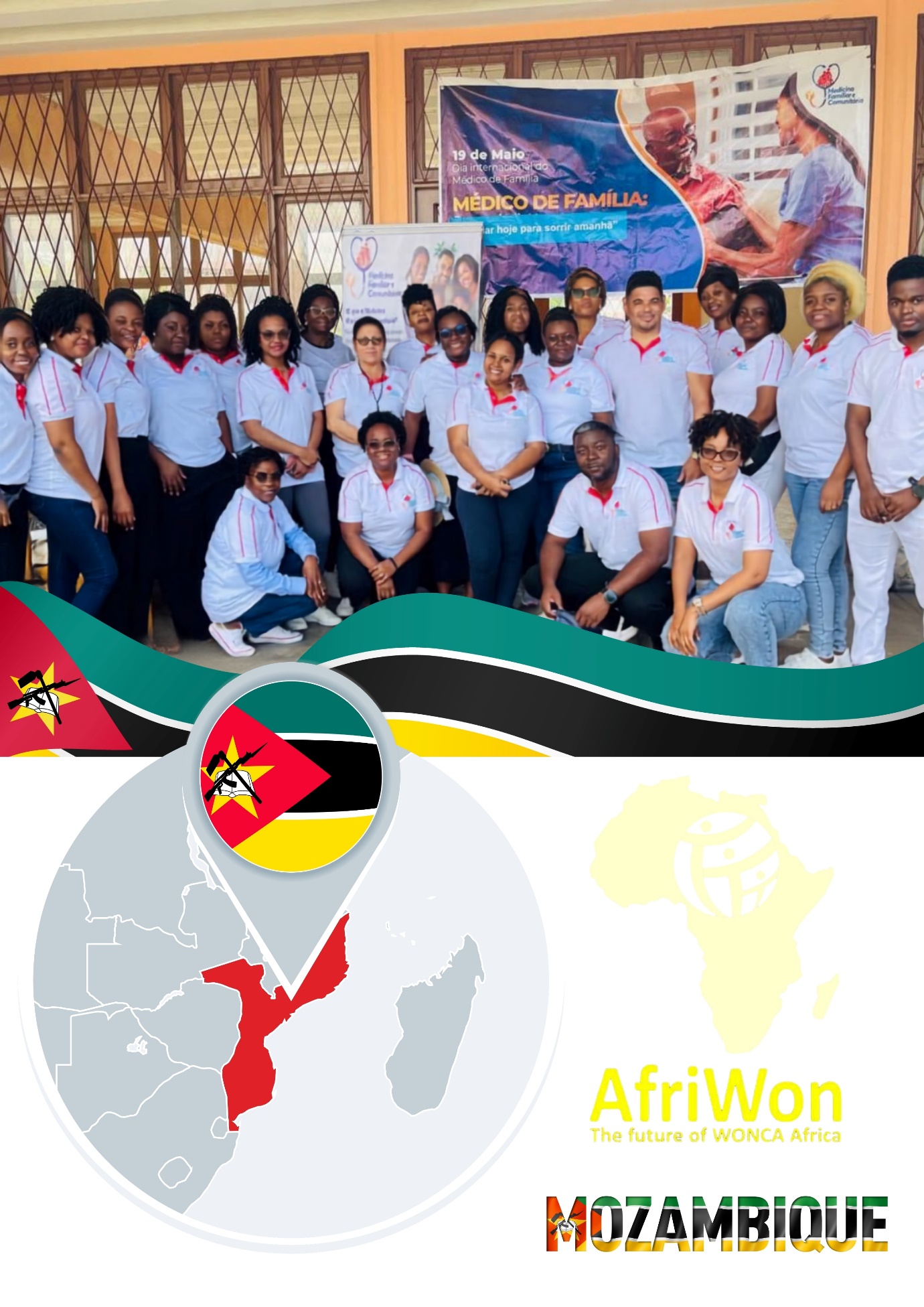
Mozambique
Uganda

Zambia
Botswana
Download AfriWon News - June 2026
Coming September 2026
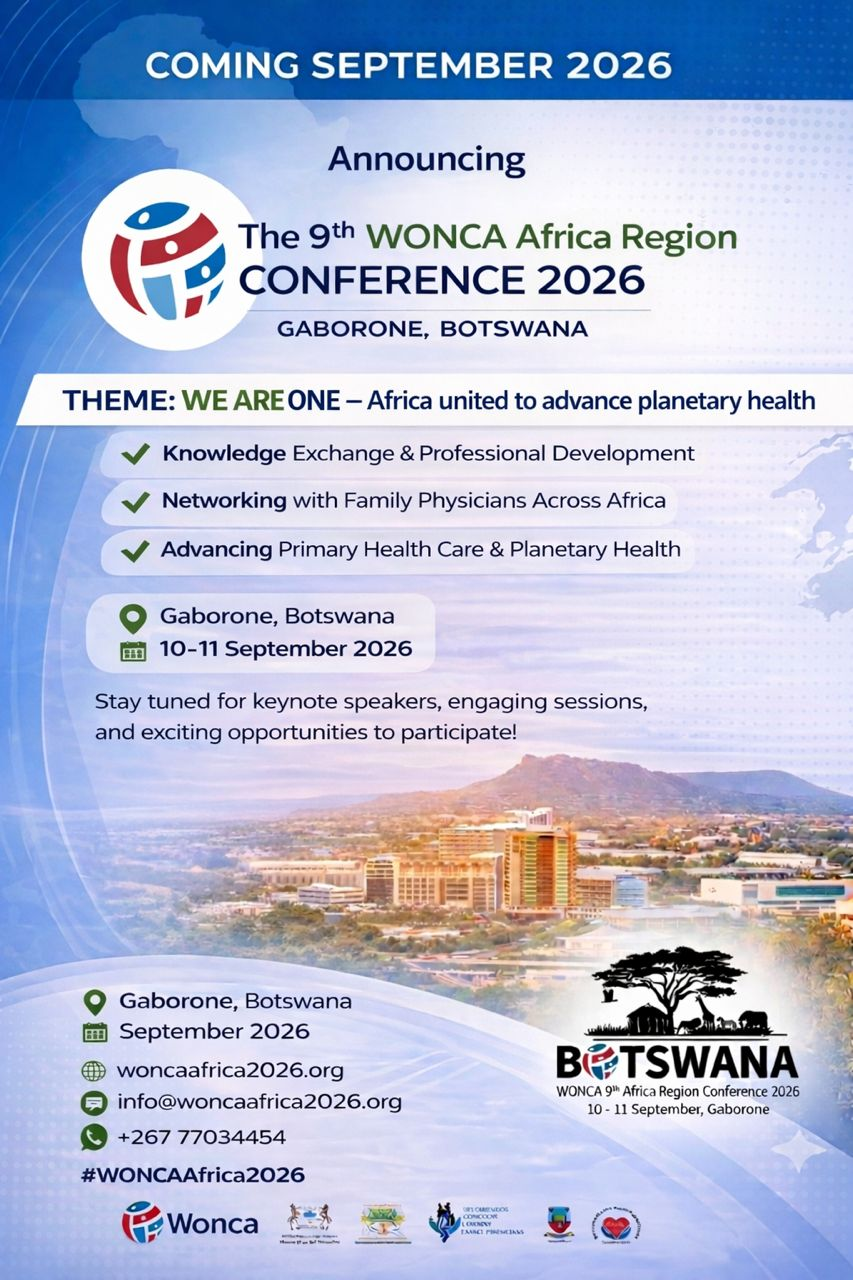
Announcing The 9th WONCA Africa Region Conference 2026
Gaborone, Botswana
Theme: WE ARE ONE - Africa united to advance planetary health
- Knowledge Exchange & Professional Development
- Networking with Family Physicians Across Africa
- Advancing Primary Health Care & Planetary Health
Gaborone, Botswana
10–11 September 2026
Stay tuned for keynote speakers, engaging sessions, and exciting opportunities to participate!
Gaborone, Botswana
September 2026
woncaafrica2026.org
[email protected]
+267 77034454
#WONCAAfrica2026
Download AfriWon News - June 2026