WONCA brings family medicine to the 63rd PAHO Directing Council
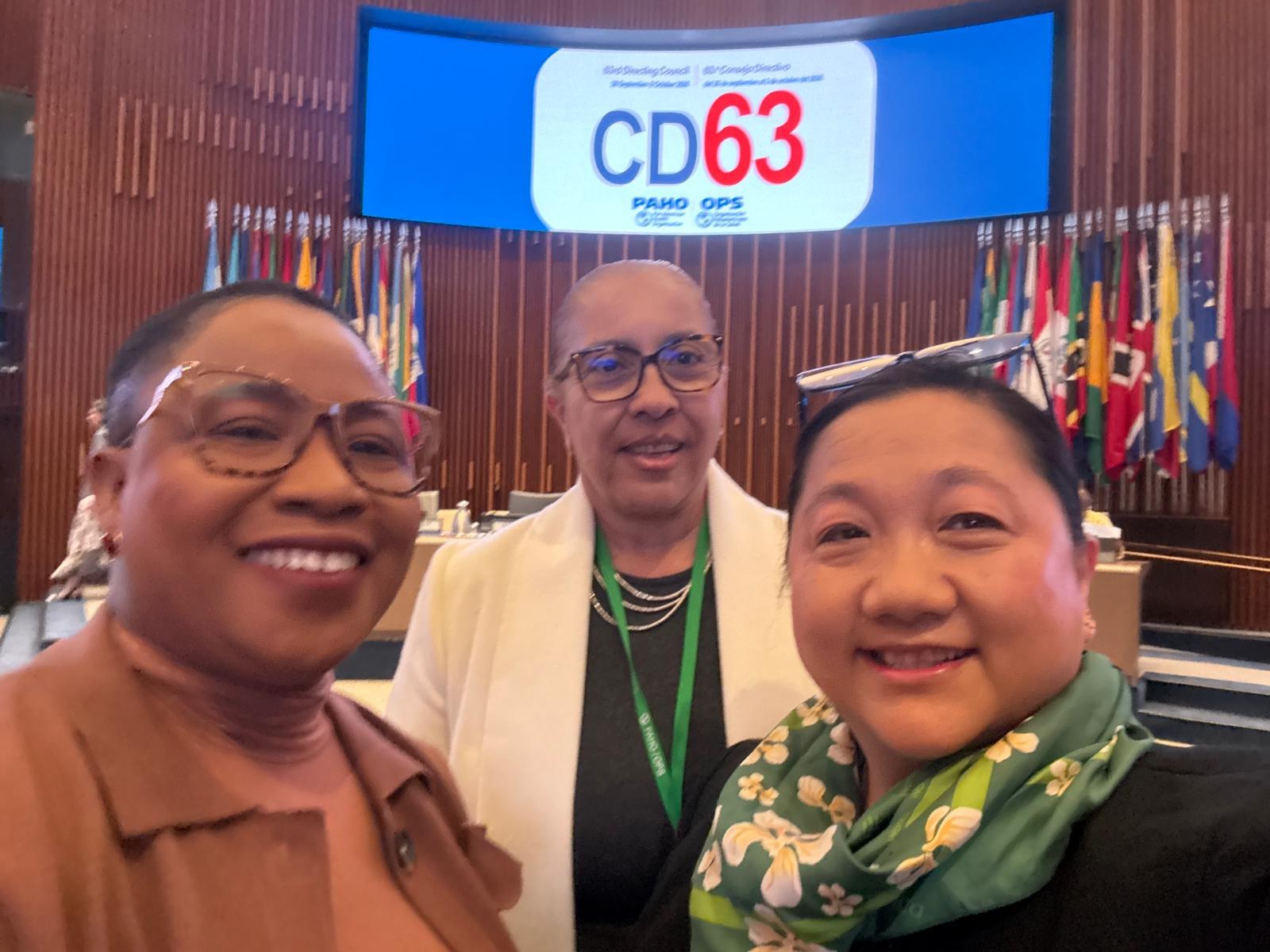
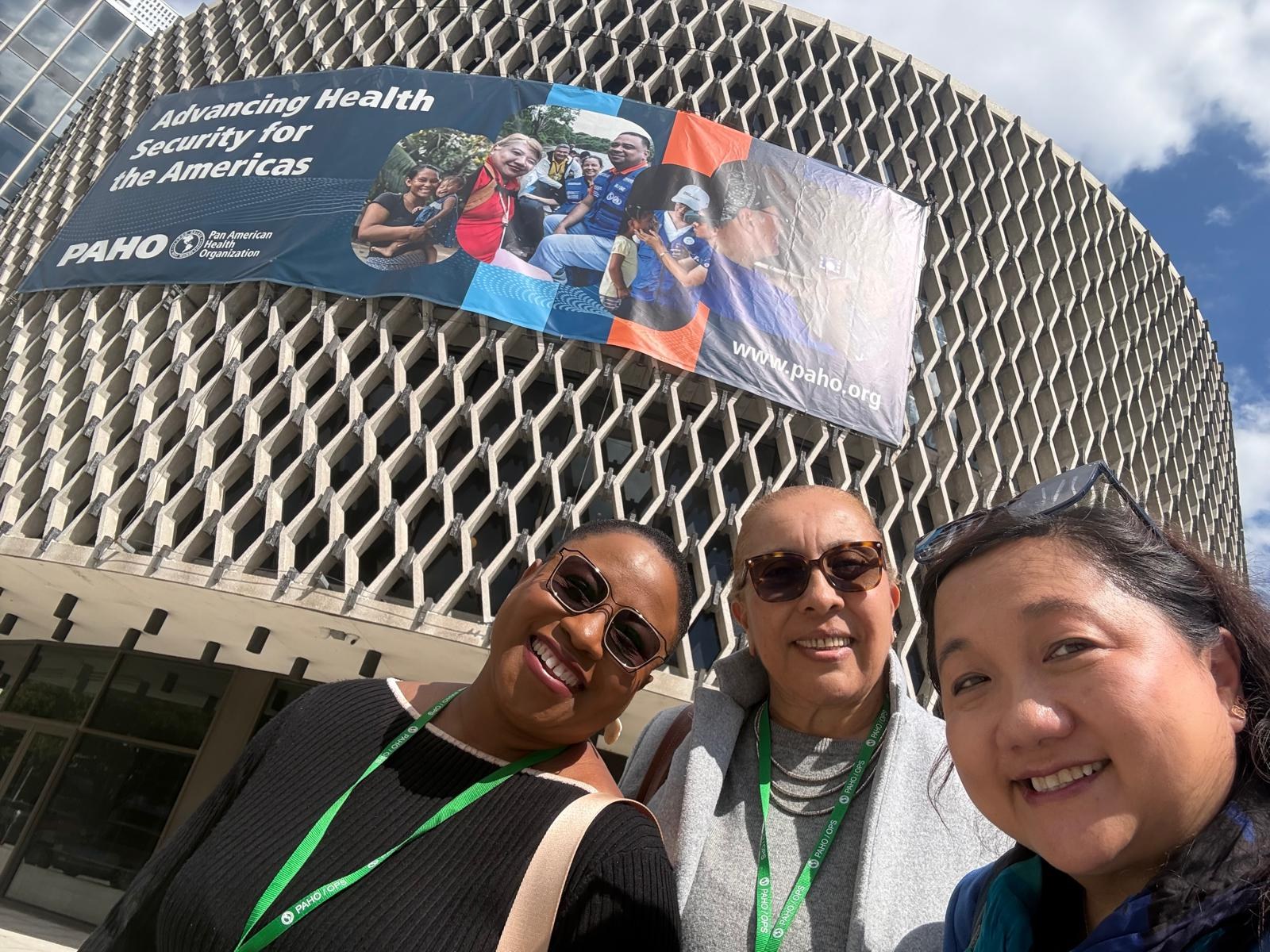
Three members of the WONCA Executive Committee represented family medicine at the 63rd Directing Council of the Pan American Health Organization (PAHO), held in Washington, DC, from 28 September to 2 October 2026.
WONCA North America Regional President Dr Tania Whitby-Best (Caribbean College of Family Physicians, Barbados), WONCA Member-at-Large and WHO Liaison Dr Kim Yu (American Academy of Family Physicians) and WONCA Iberoamericana-CIMF Regional President Dr Dora Patricia Bernal Ocampo (Colombian Society of Family Medicine) attended on behalf of WONCA. Together they delivered seven WONCA statements to the Council and met senior PAHO leaders working on primary health care, health systems and the health workforce.
The Directing Council brings together ministers of health and senior officials from across the Americas to discuss the policies, strategies and plans that guide regional health cooperation. Topics on this year's agenda included primary health care, antimicrobial resistance, health emergencies, arboviral diseases, access to medicines and health technologies, health systems strengthening and the health of Indigenous populations.
Family medicine on the front line of health emergencies
Dr Whitby-Best delivered WONCA's statement under Agenda Item 4.2: Strategy for Strengthening Health Emergency and Risk Management for Health Security 2026–2031 (Document CD63/5).
WONCA described family medicine as the first level of response and a key actor in managing health crises, noting that regional health security depends not only on hospital bed capacity but on the strength and adaptability of primary care. Family doctors manage initial risk, ensure continuity of care, help keep hospitals from being overwhelmed and sustain community trust. WONCA urged Member States to include family medicine in the decision-making committees of Emergency Operations Centres, to fund primary health care as a cornerstone of health security and to ensure adequate protection and supplies for frontline community-based health workers.
Read the full statement (also available in Spanish)
Antimicrobial stewardship starts in primary care
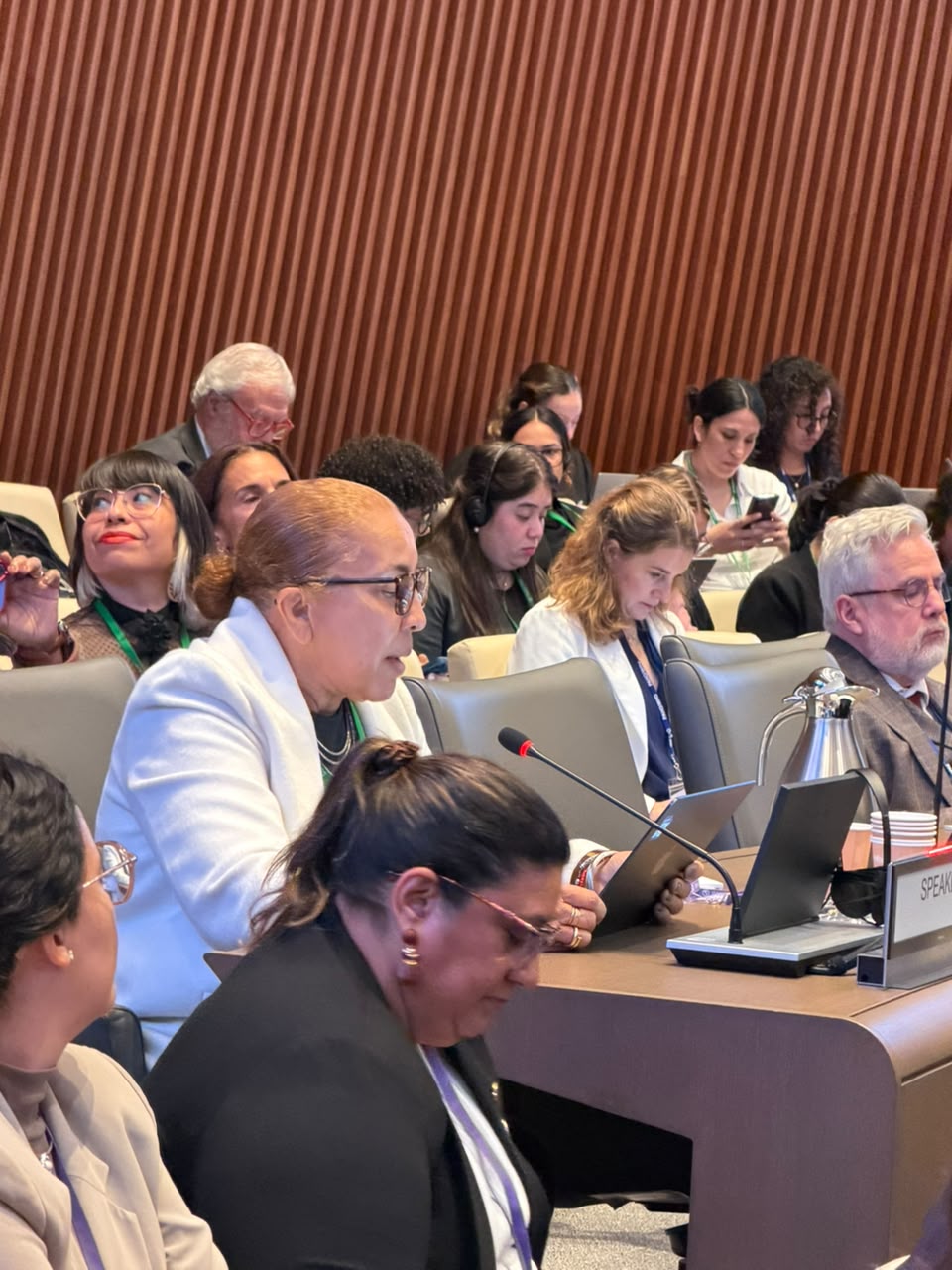
Dr Bernal Ocampo delivered WONCA's statement under Agenda Item 4.3: Plan of Action on Antimicrobial Resistance 2027–2031 (Document CD63/6).
WONCA welcomed the plan and its emphasis on coordinated, multisectoral action across the Americas. Antimicrobial resistance is a critical primary health care issue: family doctors and primary health care teams are often the first point of contact for patients with infections and often make the decision to prescribe antimicrobials. WONCA called for family physicians to be meaningfully engaged in antimicrobial stewardship, surveillance, infection prevention, vaccination and patient and community education. The statement urged better access to timely diagnostics and reliable surveillance data, particularly in underserved and rural communities, while addressing inequities in access to appropriate antimicrobials. WONCA also supported a One Health approach linking human, animal, food and environmental health, and stressed that investment in primary care workforce education and practical stewardship tools will be essential to turn regional commitments into safer prescribing and better health outcomes.
Read the full statement (also available in Spanish)
Primary care at the centre of long-term care
Dr Whitby-Best also spoke under Agenda Item 8.3: Strategy and Plan of Action to Improve Quality of Care in Health Service Delivery 2020–2025: Final Report (Document CD63/INF/3).
WONCA welcomed PAHO's guidance on strengthening long-term care systems, which is increasingly urgent as populations age and more people live with chronic disease, disability and complex health and social care needs. The statement set out the central role of family doctors and multidisciplinary primary care teams in prevention, early diagnosis, ongoing management and coordination across services. It called on countries to address the social determinants of health, support informal caregivers, reduce stigma and, wherever possible, provide long-term care in people's homes and communities. WONCA advocated sustained and equitable financing, measurable national targets, transparent monitoring and clear accountability, so that every person can age and live with dignity.
Read the full statement
Primary care's role in addressing violence against women
Dr Yu delivered WONCA's statement under Agenda Item 8.4: Strategy and Plan of Action on Strengthening the Health System to Address Violence Against Women: Final Report (Document CD63/INF/4).
WONCA welcomed the strategy and noted that family doctors are often the first point of contact with the health system. This places them well to recognise signs of abuse, provide compassionate care and connect survivors with appropriate health, social and community services. WONCA advocated strengthening the role of family medicine and primary care through three key actions:
- Increase public awareness and prevention, recognising that long-term change requires addressing violence before it occurs.
- Equip primary care professionals with the skills to identify both obvious and less visible signs of abuse, communicate using trauma-informed approaches and safely connect survivors with appropriate services and community support.
- Strengthen data collection and research to better understand the patterns and impact of violence and to guide effective interventions within communities.
Addressing violence against women requires collaboration across health systems, governments, communities and other sectors. Through strong primary care and coordinated action, WONCA said, health systems can recognise violence earlier, respond effectively and support women and girls with dignity and respect.
Read the full statement
Family medicine as a bridge to Indigenous health
Dr Bernal Ocampo delivered WONCA's statement under Agenda Item 8.6: Strategy and Plan of Action on Ethnicity and Health 2019–2025: Final Report (Document CD63/INF/6).
WONCA described family medicine as the bridge to equitable and comprehensive health care for Indigenous peoples. In line with PAHO's approach to intercultural health, the statement set out four commitments:
- An intercultural approach, bringing traditional medicine and science together through respectful dialogue between different forms of knowledge.
- Respect for territory, adapting care to the culture, language and environment of each people.
- Social justice, addressing health needs and the determinants of health in the most remote areas.
- Community participation, giving communities a voice and a leading role in decisions about their health.
WONCA asked PAHO and Member States for two urgent actions: to protect primary care budgets and to train the health workforce in intercultural care. Without care delivered in communities, the statement concluded, there can be no health for all.
Read the full statement (in Spanish)
Primary care's central role in One Health
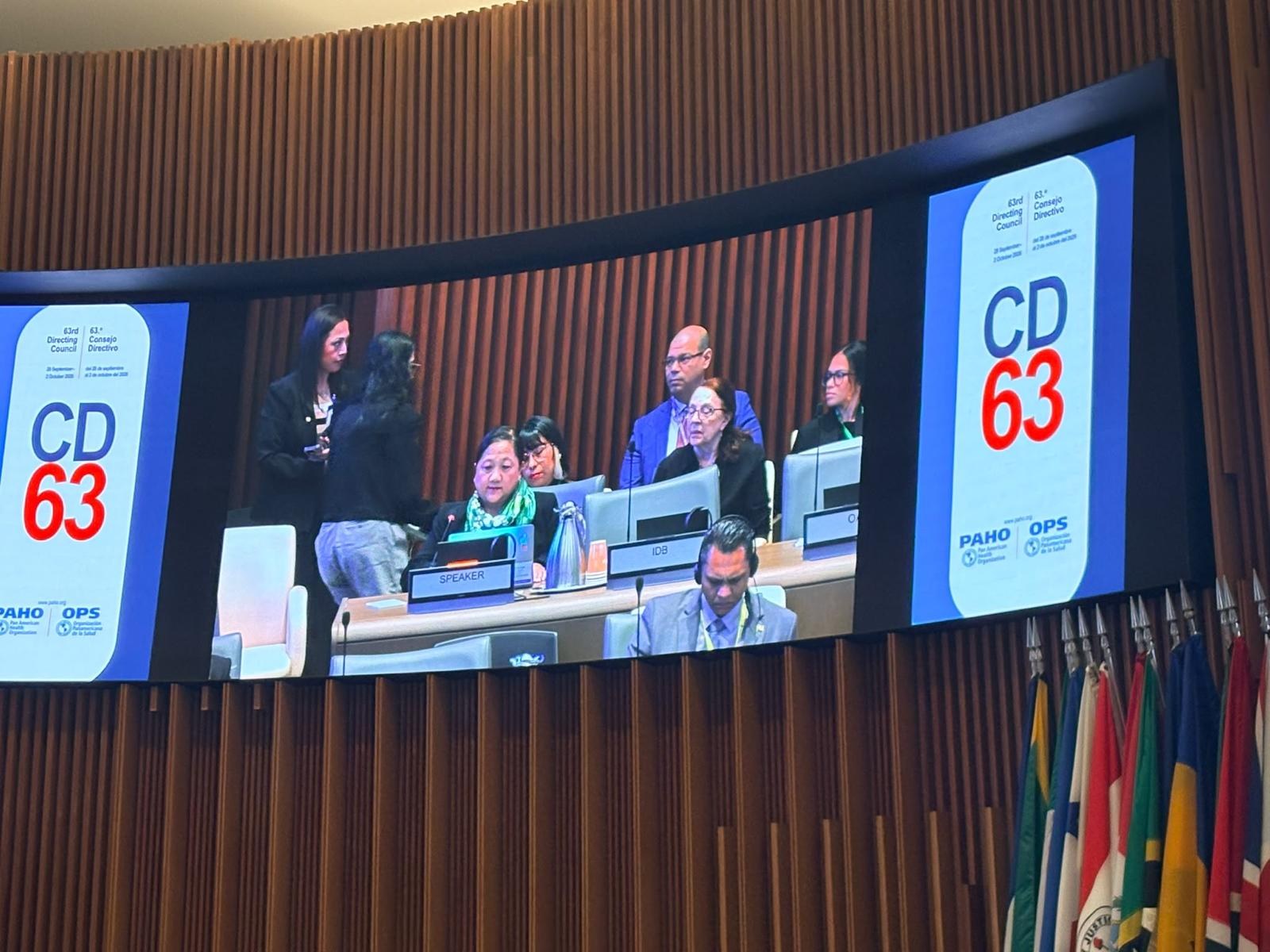
Dr Yu delivered WONCA's statement under Agenda Item 8.8(B): One Health: A Comprehensive Approach for Addressing Health Threats at the Human-Animal-Environment Interface: Progress Report (Document CD63/INF/8(B)).
WONCA welcomed the progress report and highlighted that family doctors and multidisciplinary primary care teams are well positioned to translate One Health principles into everyday care and community action, because they see first-hand how human health is shaped by interactions with animals, the environment, climate change and people's living conditions. WONCA called for:
- Stronger health promotion and risk communication at community level to prevent and respond to emerging infections, zoonotic diseases and climate-related health threats.
- Training and practical tools for primary care teams to recognise and manage heat-related illness, environmental and occupational exposures and zoonotic risks, and to promote responsible antimicrobial use.
- Closer collaboration across sectors, connecting primary care with public health, veterinary, environmental and community partners in One Health planning, preparedness and response.
- More sustainable primary care practice, strengthening prevention, appropriate use of resources and approaches that reduce avoidable environmental impact while maintaining high-quality care.
WONCA offered to work with PAHO and Member States on capacity building, including train-the-trainer initiatives, and to embed One Health and climate-health competencies within family medicine and primary care.
Read the full statement
Keeping family doctors involved in artificial intelligence
Dr Yu also spoke under Agenda Item 8.8(G): Policy on the Application of Data Science in Public Health Using Artificial Intelligence and Other Emerging Technologies: Progress Report (Document CD63/INF/8(G)).
WONCA welcomed PAHO's policy and stressed the importance of human-centred digital transformation in primary health care as AI moves from pilots towards core health infrastructure. Data science and AI can support earlier disease detection, population health management, better resource allocation and lighter administrative burdens for an overstretched workforce. Responsible implementation, however, requires robust governance to protect privacy, address bias, ensure transparency and prevent digital technologies from widening health inequities. WONCA called for family doctors and primary health care teams to be meaningfully involved in the design, implementation and oversight of AI tools, and said WHO and Member States should invest in digital literacy and practical training for the primary health care workforce. Digital innovation, WONCA said, must support rather than replace the continuity, relationships and person-centred care at the heart of family medicine.
Read the full statement
Building relationships with PAHO and beyond
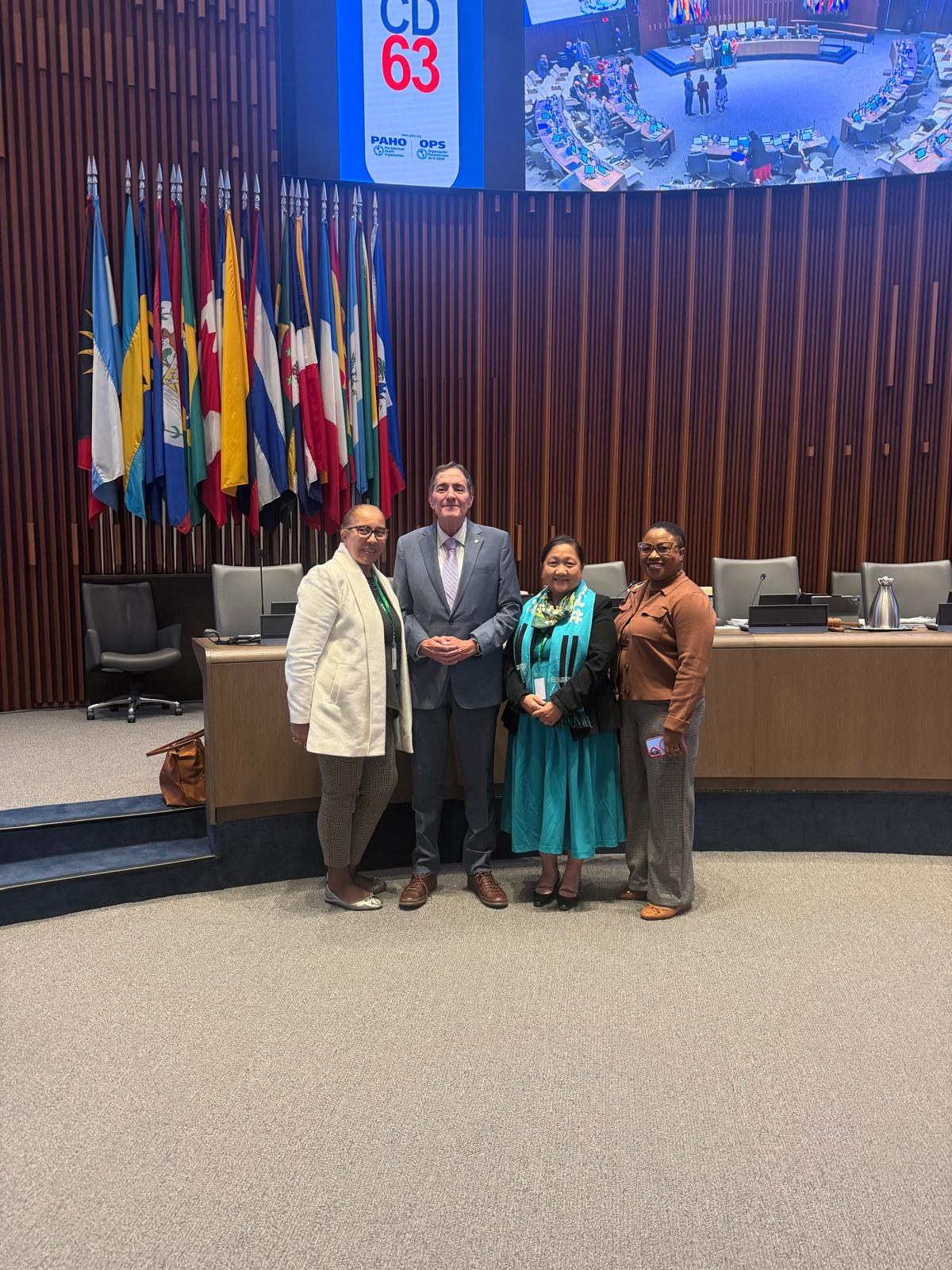 PAHO Director Dr Jarbas Barbosa (second from left) with WONCA representatives in the Council chamber
Alongside the formal sessions, Dr Yu, Dr Whitby-Best and Dr Bernal Ocampo met PAHO Director Dr Jarbas Barbosa. Dr Bernal Ocampo used the Council to highlight the need to strengthen regional cooperation and accelerate progress on primary health care and the Alcalá de Henares Summit. The delegation also met:
- Dr James Fitzgerald, Director of PAHO's Department of Health Systems and Services, whose work positions primary health care as the foundation for more resilient, equitable and people-centred health systems.
- Dr E. Benjamín Puertas, Chief of PAHO's Human Resources for Health Unit, to discuss the training, distribution and professional development of health workers.
- Gabriel Listovsky, who leads PAHO's Virtual Campus for Public Health, a strategic initiative for the continuing education of the health workforce in the Americas.
- Silvana Luciani, Chief of PAHO's Noncommunicable Diseases, Violence and Injury Prevention Unit.
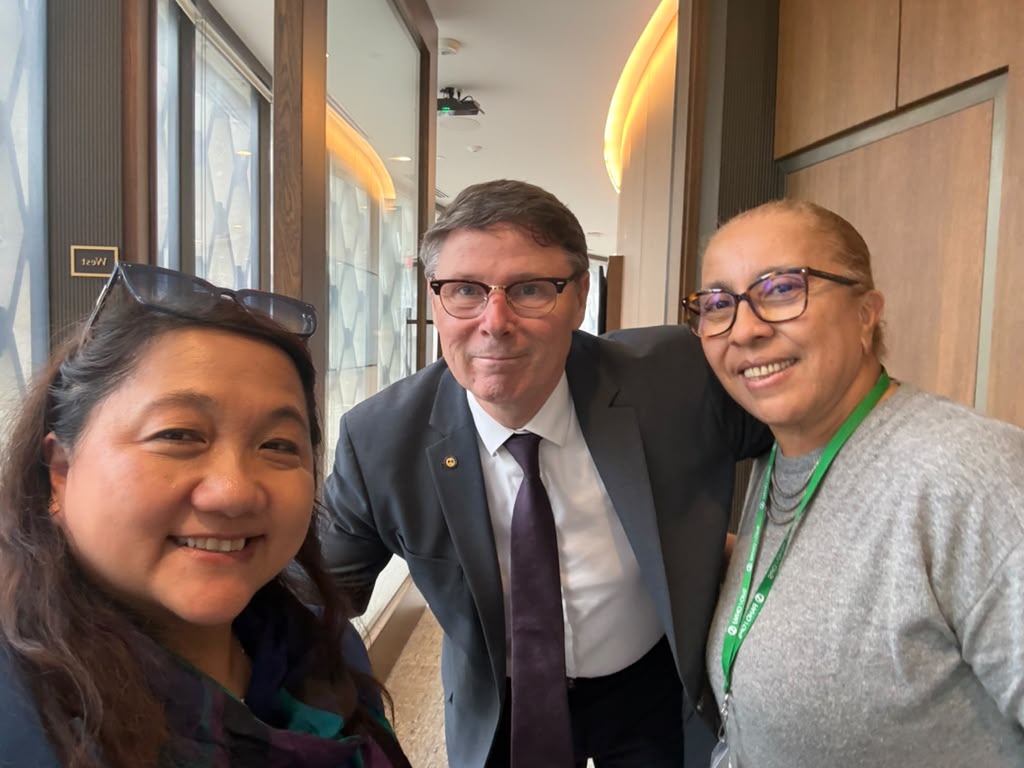 Left to right: Dr Kim Yu, Dr James Fitzgerald and Dr Dora Patricia Bernal Ocampo
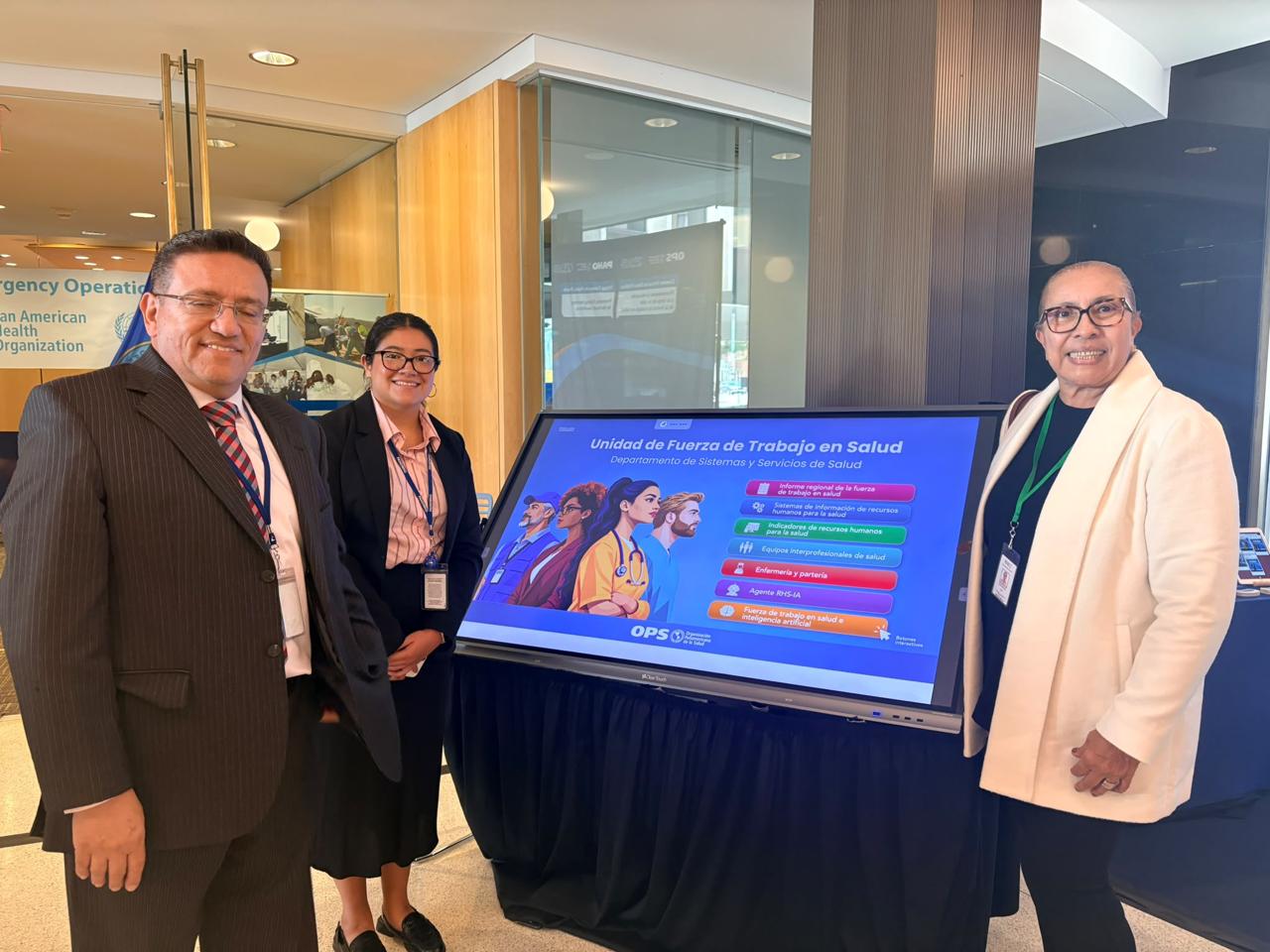 Dr E. Benjamín Puertas (left), Chief of PAHO's Human Resources for Health Unit, and Dr Dora Patricia Bernal Ocampo (right)
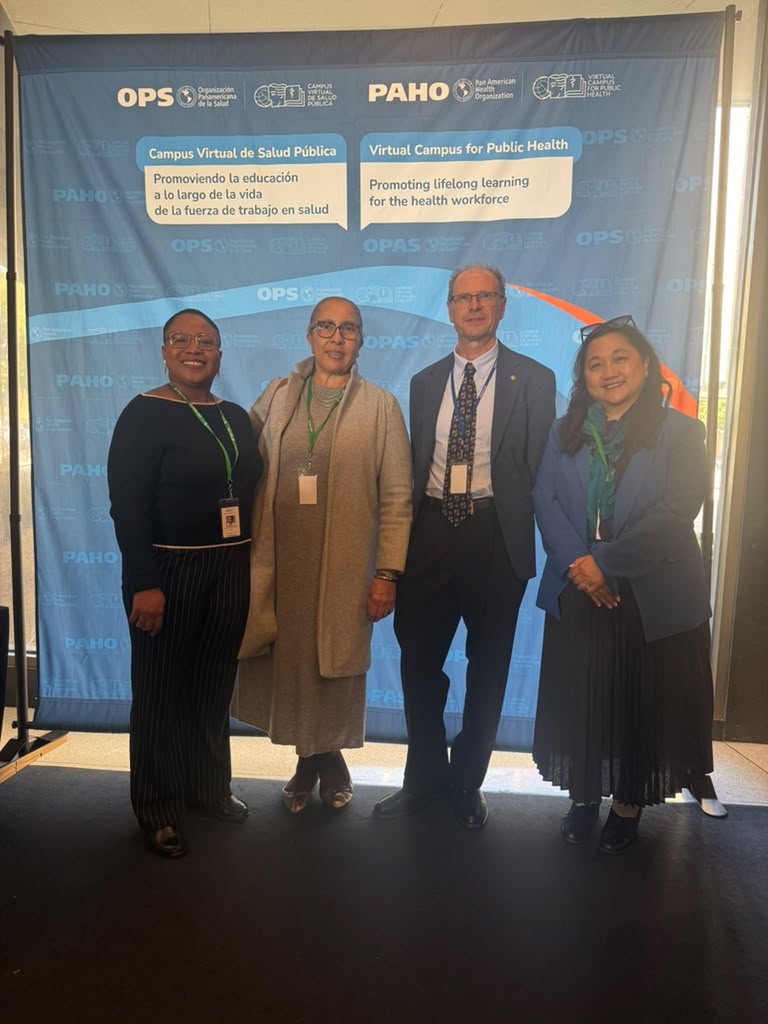 Left to right: Dr Tania Whitby-Best, Dr Dora Patricia Bernal Ocampo, Gabriel Listovsky and Dr Kim Yu
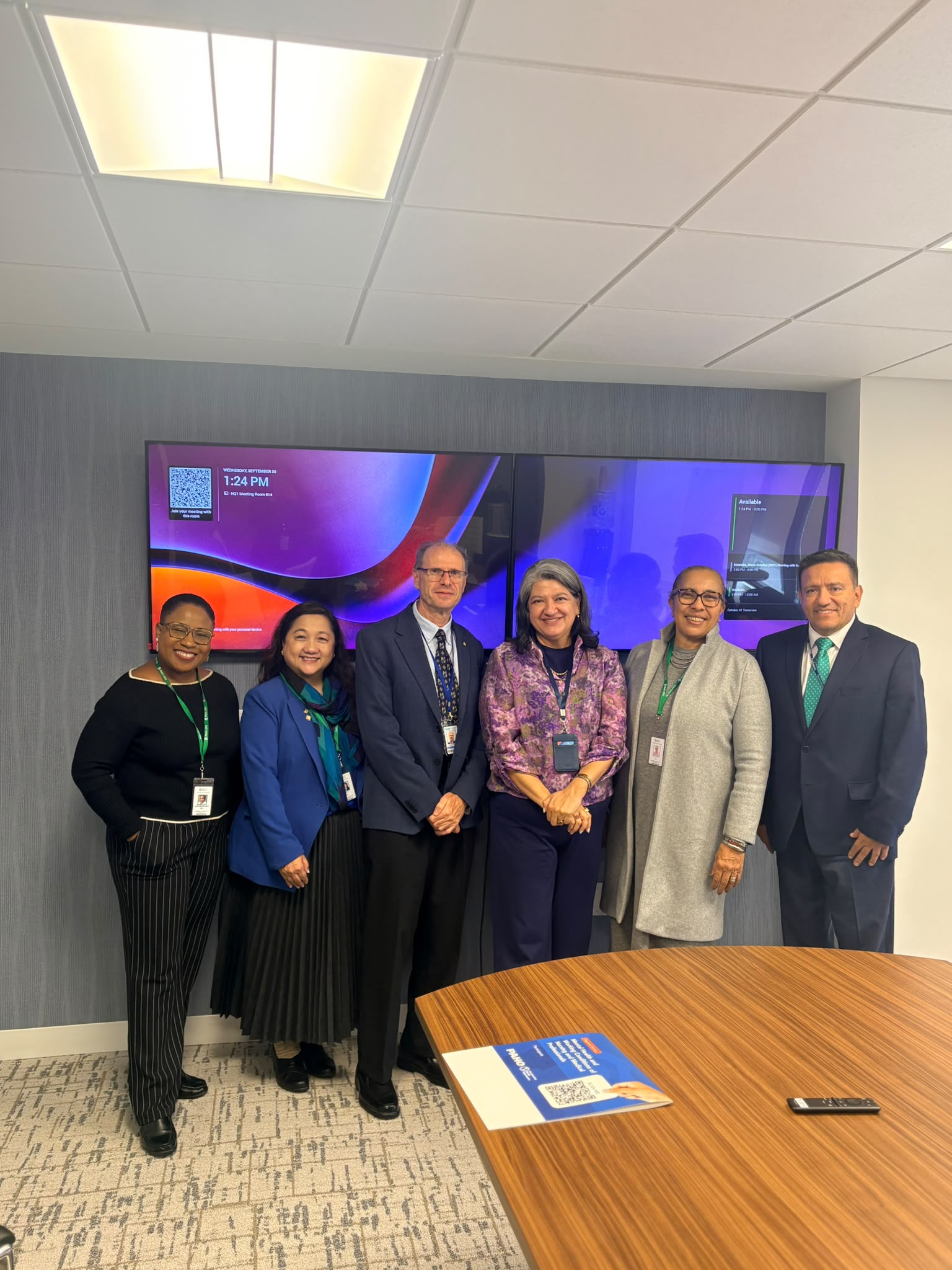 Left to right: Dr Tania Whitby-Best, Dr Kim Yu, Gabriel Listovsky, Laura Ramírez Saborío, Dr Dora Patricia Bernal Ocampo and Dr E. Benjamín Puertas
The delegation also met a group of medical students from the International Federation of Medical Students' Associations (IFMSA).
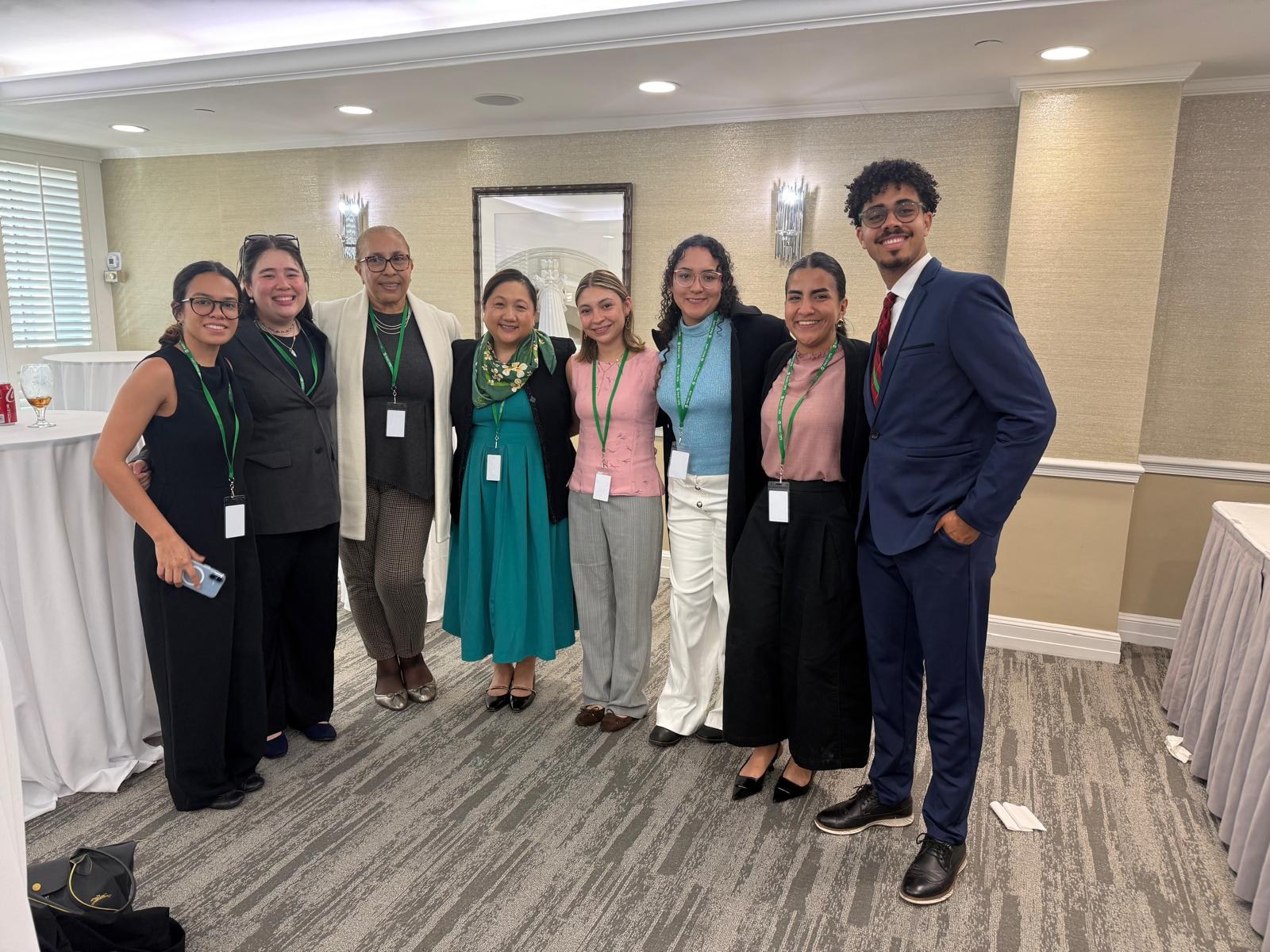
WONCA's participation in the Council was an opportunity to promote recognition of family medicine as a fundamental pillar of primary health care, and to strengthen dialogue and cooperation with PAHO across the Region.
WONCA's statements to WHO and PAHO governing bodies are collected on the WONCA Policy Statements page.
Family medicine on the front line of health emergencies
Agenda Item 4.2: Strategy for Strengthening Health Emergency and Risk Management for Health Security 2026–2031
Speaker: Dr Tania Whitby-Best, WONCA North America Regional President
Recorded: 29 September 2026, 7:56:53–7:58:24 (watch on PAHO TV from 7:56:53)
Antimicrobial stewardship starts in primary care
Agenda Item 4.3: Plan of Action on Antimicrobial Resistance 2027–2031
Speaker: Dr Dora Patricia Bernal Ocampo, WONCA Iberoamericana-CIMF Regional President (spoke in Spanish; English interpretation)
Recorded: 30 September 2026, 1:28:24–1:30:15 (watch on PAHO TV from 1:28:24)
Primary care at the centre of long-term care
Agenda Item 8.3: Strategy and Plan of Action to Improve Quality of Care in Health Service Delivery 2020–2025: Final Report
Speaker: Dr Tania Whitby-Best, WONCA North America Regional President
Recorded: 1 October 2026, 0:07:10–0:08:25 (watch on PAHO TV from 0:07:10)
Primary care's role in addressing violence against women
Agenda Item 8.4: Strategy and Plan of Action on Strengthening the Health System to Address Violence Against Women: Final Report
Speaker: Dr Kim Yu, WONCA Member-at-Large and WHO Liaison
Recorded: 1 October 2026, 1:01:05–1:02:42 (watch on PAHO TV from 1:01:05)
Family medicine as a bridge to Indigenous health
Agenda Item 8.6: Strategy and Plan of Action on Ethnicity and Health 2019–2025: Final Report
Speaker: Dr Dora Patricia Bernal Ocampo, WONCA Iberoamericana-CIMF Regional President (spoke in Spanish; English interpretation)
Recorded: 1 October 2026, 1:53:03–1:54:17 (watch on PAHO TV from 1:53:03)
Primary care's central role in One Health
Agenda Item 8.8(B): One Health: A Comprehensive Approach for Addressing Health Threats at the Human-Animal-Environment Interface: Progress Report
Speaker: Dr Kim Yu, WONCA Member-at-Large and WHO Liaison
Recorded: 1 October 2026, 3:37:48–3:39:09 (watch on PAHO TV from 3:37:48)
Keeping family doctors involved in artificial intelligence
Agenda Item 8.8(G): Policy on the Application of Data Science in Public Health Using Artificial Intelligence and Other Emerging Technologies: Progress Report
Speaker: Dr Kim Yu, WONCA Member-at-Large and WHO Liaison
Recorded: 1 October 2026, 4:15:48–4:17:09 (watch on PAHO TV from 4:15:48)