WONCA WHO Liaison Report 2026
WONCA at the 79th World Health Assembly
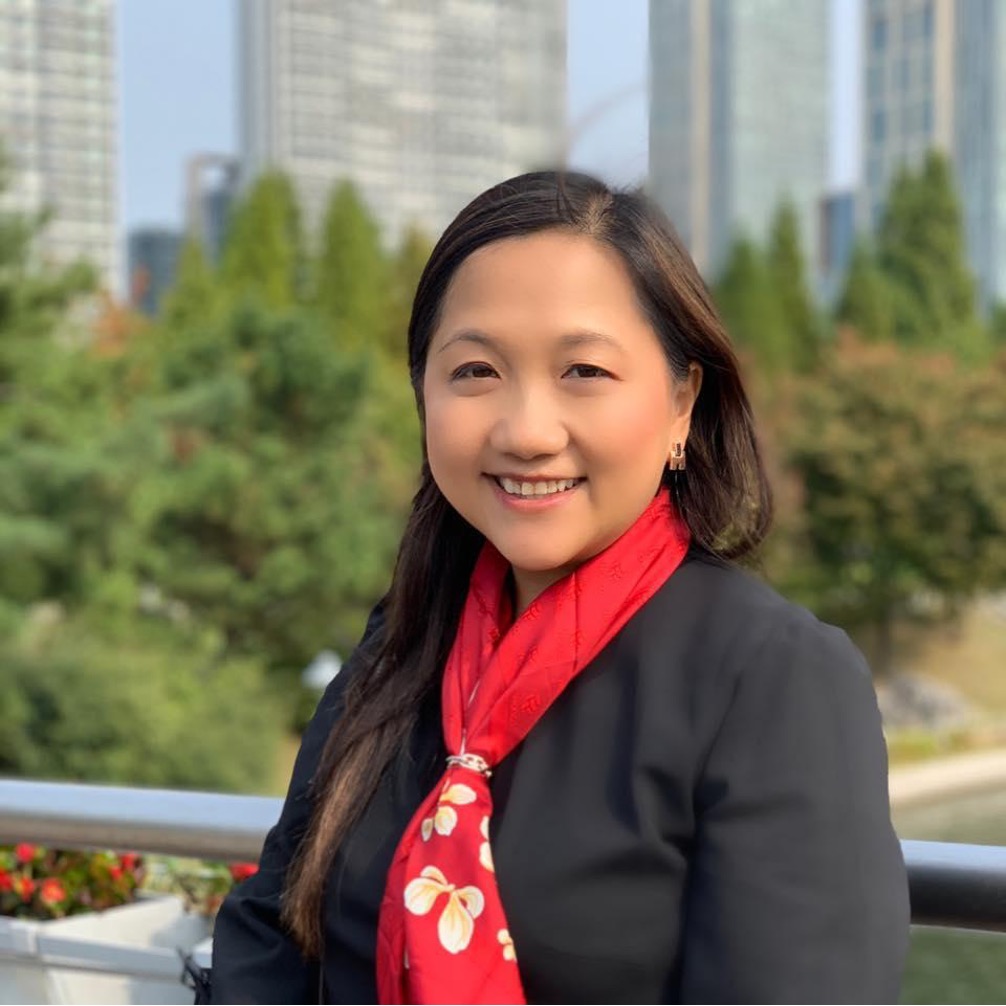
By Dr Kim Yu, MD, FAAFP, DABFM
WONCA-WHO Liaison
WONCA was proud to represent family medicine and general practice at the 79th World Health Assembly, held at the World Health Organization in Geneva from 18 to 29 May 2026. This year's assembly brought global health leaders together under the theme "Reshaping global health: a shared responsibility."
The WONCA delegation included CEO Dr Harris Lygidakis, President Professor Viviana Martinez-Bianchi, President Elect Dr Maria Pilar Astier Pena, Treasurer Dr Steve Mowle and WONCA-WHO Liaison Dr Kim Yu. Together the team took part in a wide range of official side events and presented six individual and two joint constituency statements. The delegation also met leaders from partner organisations, including the World Medical Association, the International Council of Nurses and the International Federation of Medical Students' Associations, along with WHO staff, to discuss priorities for WONCA and for primary care worldwide.
Throughout the assembly it was clear how central primary care, and especially family medicine and general practice, remains for global health and for the WHO.
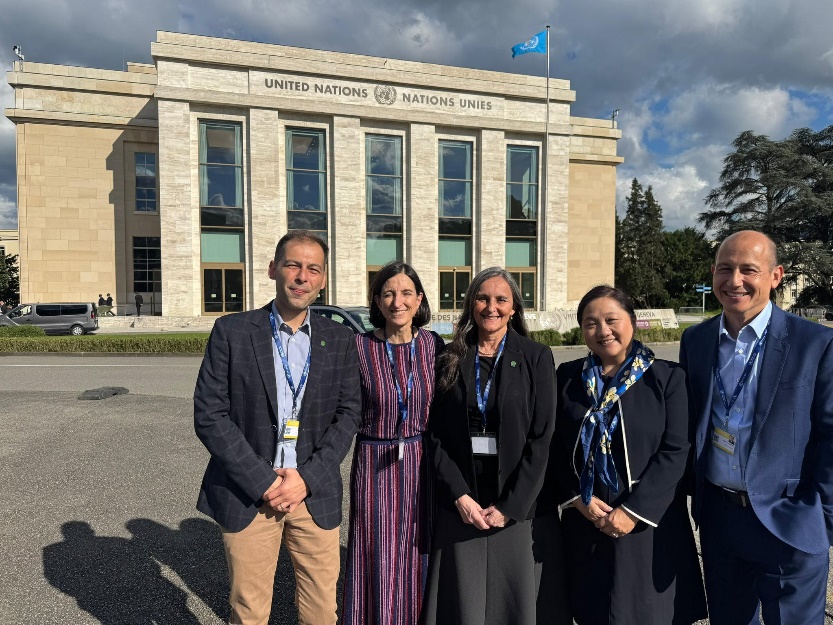
Walk the Talk
The week opened with the Walk the Talk event, where the WONCA team met Dr Hans Kluge and other WHO colleagues at the kick-off, highlighting the importance of physical activity for health.
Constituency statements at WHA79
During WHA79, WONCA drafted and presented statements, both individually and jointly with other non-state actors, on the following topics. The full statements are available on the WHA79 statements page.
Bridging Health and Peace
For the first time, WONCA co-hosted an official WHA side event. Titled "Bridging Health and Peace: Accelerating the Global Health and Peace Initiative in Turbulent Times," the event took place on Thursday 21 May 2026 from 18:00 to 19:30 in the Executive Board Room at WHO Headquarters in Geneva.
WONCA convened the event with the World Federation of Public Health Associations, together with the governments and ministries of health of Brazil, Spain, Slovenia and Oman, and the Director of WHO's Global Health and Peace Initiative. It brought WHO, member states, health professional organisations and academic experts together to discuss how health systems can help protect dignity, build trust and support peace in fragile settings.
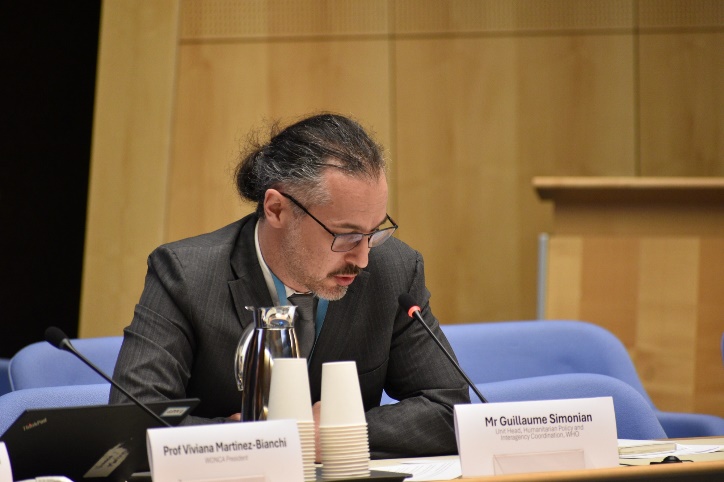
The event, moderated by Dr Kim Yu, opened with a technical update from Mr Guillaume Simonian, Unit Head for Humanitarian Policy and Interagency Coordination at WHO. He underlined the central premise of the Global Health and Peace Initiative: health services can do more than respond to crisis. When designed with conflict sensitivity, equity and community trust in mind, they can reduce grievances, sustain dialogue and support social cohesion.
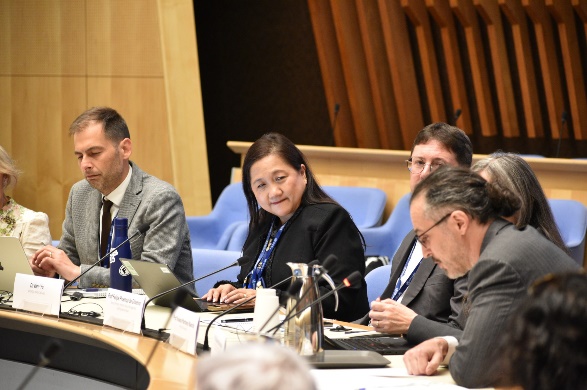
Member state perspectives from Oman, Brazil, Spain and Slovenia reinforced the urgency of moving from resolution to implementation. Oman highlighted its longstanding role as a bridge builder and called for health diplomacy to become a practical methodology, including through resilient primary health care, workforce training and the use of WHO Collaborating Centres as regional hubs for learning and evidence generation. Brazil reflected on universal health coverage, solidarity and the role of inclusive health systems in caring for migrants, refugees and border populations. Spain emphasised that peace, social stability and the protection of health facilities form essential determinants of health, calling for guaranteed access to care for people affected by conflict, including refugees, asylum seekers and undocumented migrants. Slovenia stressed the importance of international humanitarian law, protection of civilians and health workers, human rights, prevention, multilateral cooperation and sustainable financing for the initiative's roadmap.
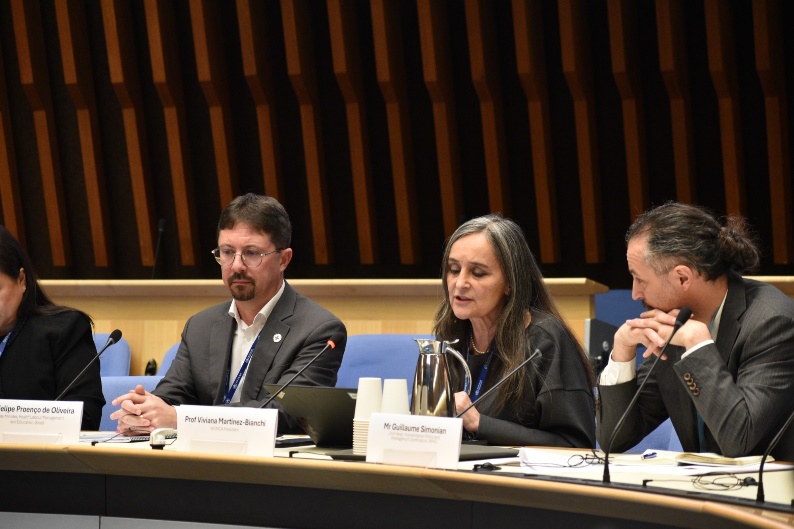
From the health systems perspective, Professor Viviana Martinez-Bianchi, WONCA President, emphasised the role of family doctors and primary care teams in helping communities maintain continuity, dignity and trust during instability. She reminded participants that people affected by conflict often need immediate, practical care: vaccinations, maternal care, essential medicines, mental health support, chronic disease management and safe access to trusted health professionals.
For WONCA, strengthening primary health care in fragile and conflict-affected settings means protecting clinics, supporting health workers, maintaining referral pathways, listening to communities and ensuring that health services remain available when people need them most.
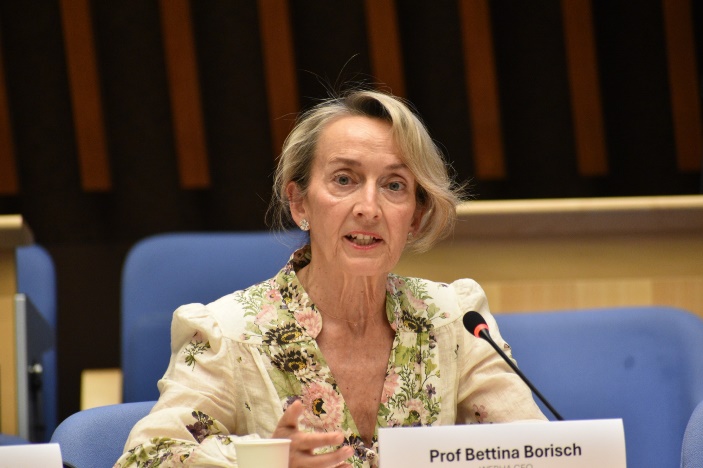
Professor Bettina Borisch, Chief Executive Officer of the World Federation of Public Health Associations, framed conflict as a public health emergency and peace as more than the absence of war. She emphasised that public health begins where people live, learn, work and care for one another, and that reducing inequality, protecting vulnerable groups, addressing misinformation and building social trust all contribute to peace.
Representing the International Council of Nurses, Dr José Luis Cobos Serrano spoke on behalf of the world's nurses, highlighting their role on the front lines of emergencies, conflicts and humanitarian crises. He called for stronger protection of nurses and all health workers, condemned attacks on health care and stressed that investment in nursing leadership strengthens communities, health system resilience and peace.
Professor Sir Andrew Haines of the London School of Hygiene and Tropical Medicine added a planetary health perspective. He described the links between climate change, resource scarcity, displacement, inequality and conflict, and called for a broader definition of security, one that protects human health within planetary boundaries. He also recognised the contribution of family doctors and WONCA's work on planetary health in advancing this agenda.
The discussion made clear that health and peace cannot sit in separate silos. Health systems can protect people during conflict, but they can also help prevent division, build confidence in institutions and support recovery. Primary health care, public health, nursing, health diplomacy, human rights and planetary health all have a role to play.
For WONCA, the message was clear: family doctors and primary care teams stand close to people's everyday lives. They often serve as trusted first points of contact for families facing fear, displacement, uncertainty and loss. Supporting them means supporting communities, strengthening resilience and helping translate the Global Health and Peace Initiative into practical action.
As participants concluded, the event offered a shared call to action: protect health workers and civilians, keep health services functioning in fragile settings, invest in inclusive primary health care, strengthen partnerships, and build the evidence, capacity and political commitment needed to make health a bridge to peace.
A full report on the event, including the video recording, is available on the Bridging Health and Peace report page. The statements WONCA delivered at the assembly are available on the 79th World Health Assembly statements page.
Photos: Keisuke Oda
Other side events
WONCA also took part in a range of other side events across the week, providing statements and comments.
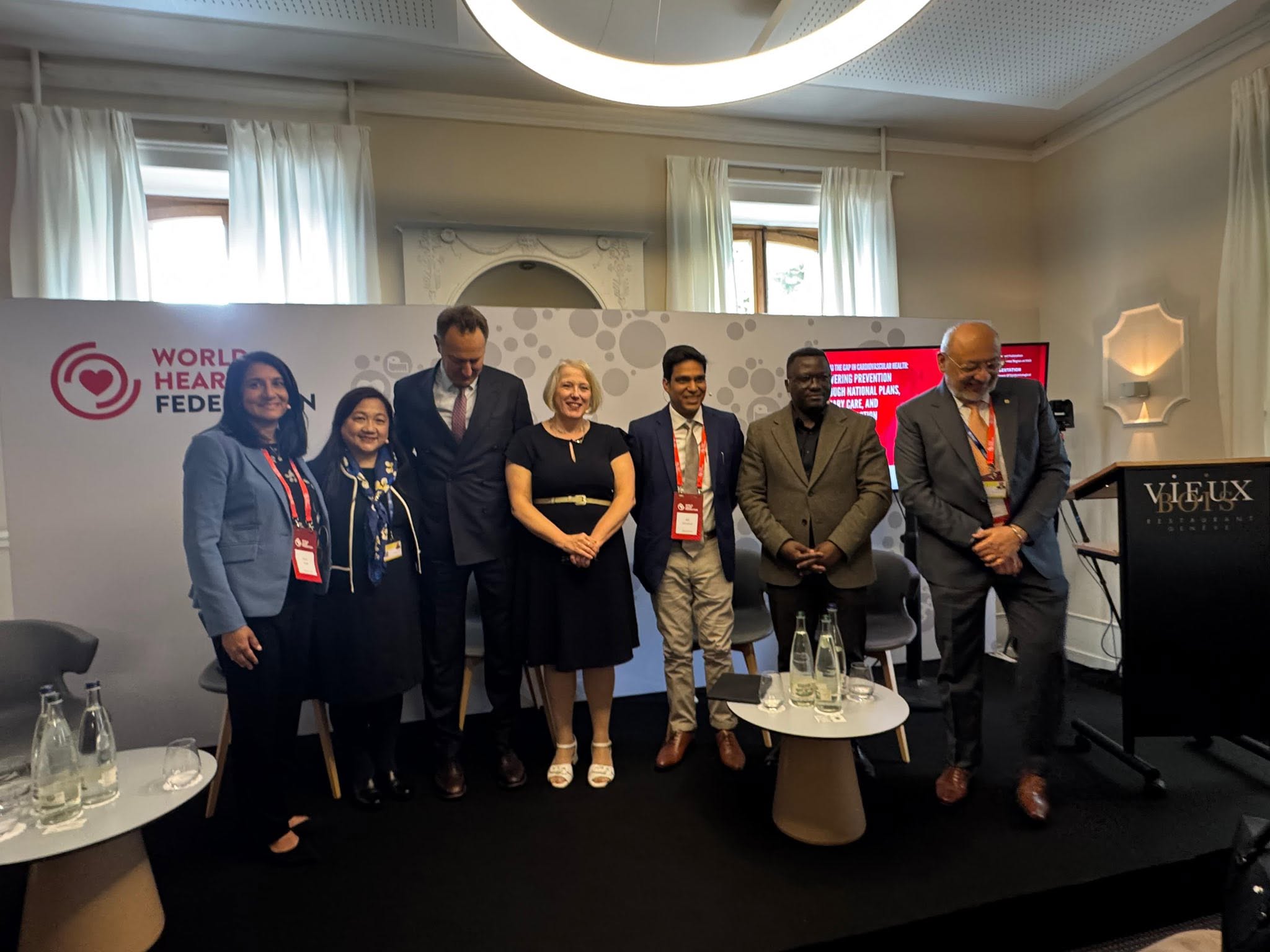
Closing the gap in cardiovascular health
World Heart Federation, Monday 18 May, 12:00 to 14:30. Represented by Dr Kim Yu.
Further side events
- Selfcare for the Prevention of Infection as a Frontline Tool Against AMR. Monday 18 May, 14:00 to 15:30. Represented by Dr Maria Pilar Astier Pena.
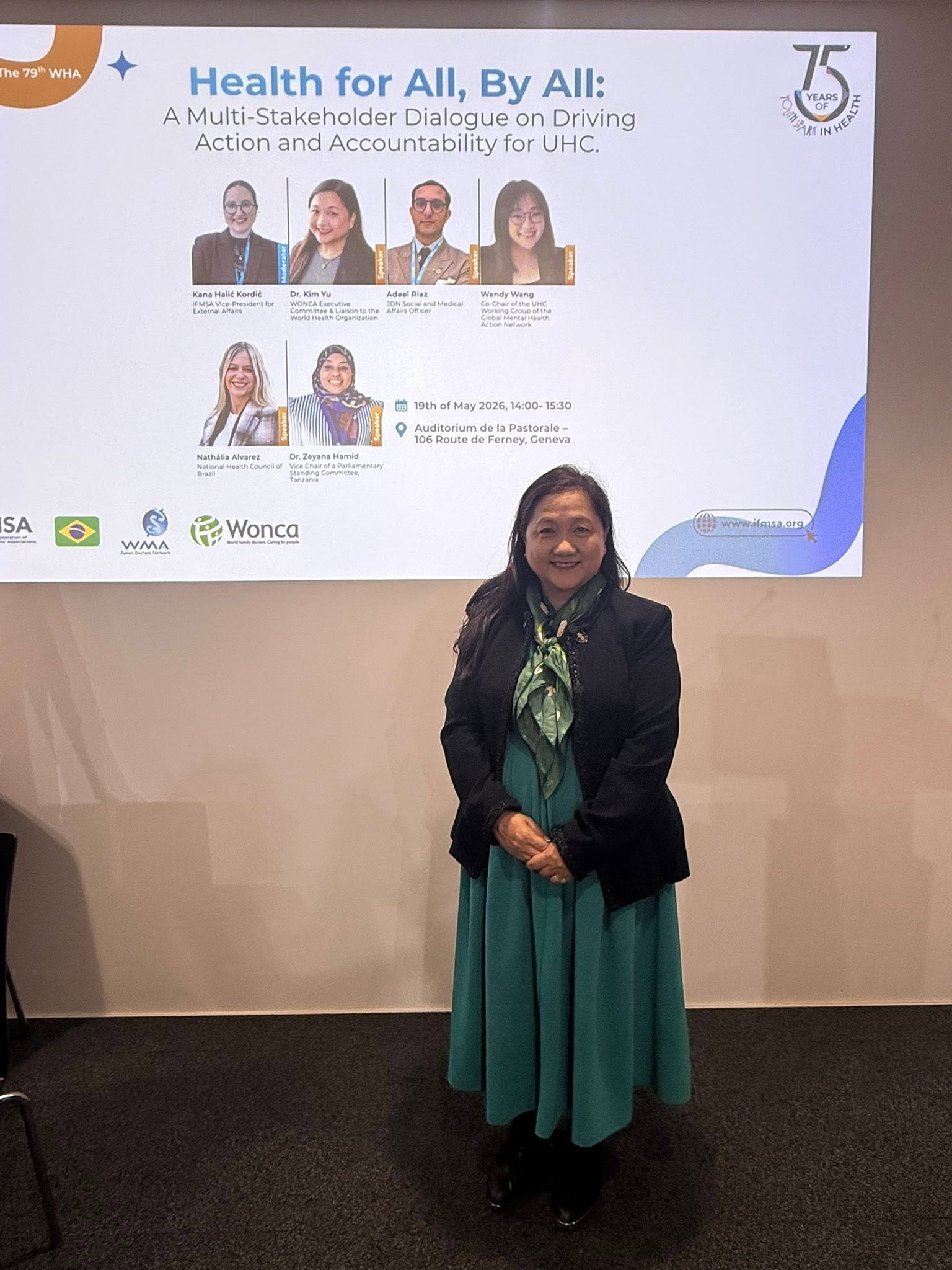
- Health for All, By All: A Multi-Stakeholder Dialogue on Driving Action and Accountability for UHC. Represented by Dr Kim Yu.
- From Global Strategy to Country Impact: Scaling Emergency, Critical and Operative Care. Monday 18 May, 18:00 to 19:30, Executive Board Room, WHO Headquarters, Geneva, with online participation. Represented by Dr Kim Yu.
- Global Health System Redesign Lab, on artificial intelligence. Tuesday 19 May, 09:30 to 12:00. Represented by Dr Viviana Martinez-Bianchi.
- Fossil Fuels, Health and Human Rights. Tuesday 19 May, 12:30 to 14:00. Represented by Dr Maria Pilar Astier Pena.
- Healthy Longevity, State of Qatar and WISH. Tuesday 19 May, 13:00 to 14:20. Represented by Dr Viviana Martinez-Bianchi.
- Kidney Health for All: Delivering Comprehensive Care from Prevention to Treatment. Wednesday 20 May, 08:00 to 09:00. Represented by Dr Viviana Martinez-Bianchi.
- Round Table on Health Workforce at WHA 2026: Sustaining Health Workforce as a Global Health Priority. Wednesday 20 May, 14:00 to 16:00, Warwick Hotel, Geneva. Represented by Dr Viviana Martinez-Bianchi.
- Protecting Scientific Integrity: Addressing Health Mis- and Disinformation, at the invitation of WHO Director-General Dr Tedros Adhanom Ghebreyesus and moderated by WHO Chief Scientist Dr Sylvie Briand. Represented by Dr Kim Yu.
Meetings and next steps
The delegation held a series of meetings with WHO personnel and partners during the assembly, covering mental health, healthy ageing, noncommunicable diseases, public health and the health workforce, alongside partner organisations including the International Federation of Medical Students' Associations and the International Council of Nurses.
In conclusion
The work carried out at WHA79 and in the period that followed reflects the growing role of WONCA among non-state actors at the WHO and globally. Our thanks go to everyone who made this engagement possible, including our CEO Dr Harris Lygidakis, WONCA staff, President Professor Viviana Martinez-Bianchi, President Elect Dr Maria Pilar Astier Pena, Treasurer Dr Steve Mowle, our executive committee, and the many working parties, special interest groups and members working for our global family medicine community and for our partnership with the World Health Organization.